Why Independent Home Inspections Matter in NJ
- Eric Price
- May 31
- 6 min read
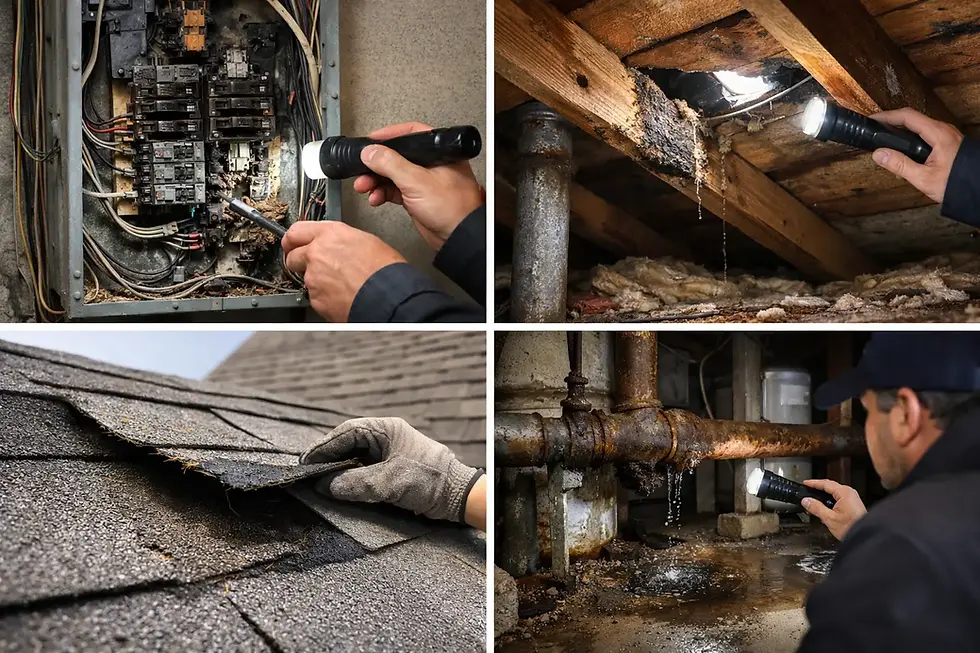
A house can look clean at a showing and still have a wet crawlspace, active window leakage, unsafe wiring, or a roof issue that only shows up from the right angle. That is exactly why independent home inspections matter in New Jersey. In this market, especially across South Jersey, the real condition of a property is not always obvious from fresh paint, staging, or even a recent renovation.
Buyers here deal with a mix of older homes, shore properties, seasonal houses, and newer flips. Each comes with its own risks. An independent inspection gives you a clearer picture of how the home is actually performing, not how it was prepared to be shown on one particular day.
Why independent home inspections matter in New Jersey
In practical terms, independence matters because the inspection needs to stay centered on the property itself. The goal is not to help a deal move along. The goal is to document visible conditions, explain material defects, and give the client enough detail to make a sound decision.
That difference shows up in the reporting. A truly independent inspector is more likely to call out patterns that suggest bigger concerns, such as repeated moisture staining in an attic, signs of movement around a foundation wall, or multiple electrical defects that point to amateur work over time. Those findings may not always kill a deal, but they change how a buyer evaluates risk.
In New Jersey, that matters more than many buyers expect. Housing stock varies block by block. You can inspect one property with a dry, well-maintained basement and then head to another a few streets away with high moisture conditions, deferred repairs, and structural movement hidden behind finished surfaces. General assumptions are not enough here.
New Jersey homes have local conditions that change the risk
A home inspection in South Jersey is not just about checking boxes. Regional conditions create recurring patterns, and experienced inspectors see them over and over.
Along the shore and in coastal areas, humidity and salt-air exposure can accelerate wear on exterior components, metal hardware, and HVAC equipment. Moisture intrusion is a frequent concern, especially around roof penetrations, windows, siding transitions, and low-slope sections. Homes near the water can also show more rot, corrosion, and fungal growth than inland buyers expect.
In Atlantic County, Cape May County, and nearby areas, crawlspaces are another major factor. A crawlspace can tell you a lot about the house. Standing water, damaged insulation, deteriorated vapor barriers, microbial growth, wood rot, and improvised supports are all issues we routinely see in the field. A home can feel fine upstairs while the crawlspace is showing ongoing moisture conditions that affect air quality, structure, and future repair costs.
Older housing stock adds another layer. Knob-and-tube remnants, double-tapped breakers, aging service equipment, patched roofing, outdated plumbing materials, and foundation settlement are not unusual in many South Jersey homes. None of those conditions automatically means a property is a bad purchase. It does mean the inspection needs to be detailed enough to separate manageable repairs from more serious concerns.
A walkthrough is not the same as an independent inspection
Buyers sometimes rely on a contractor opinion, a seller disclosure, or a quick tour with friends or family who have owned homes before. That can be helpful, but it is not the same as a professional inspection with a documented process.
A proper inspection is systematic. The roof, attic, exterior, structure, electrical system, plumbing, HVAC, insulation, interior components, and built-in appliances all need to be evaluated in context. What matters is not just whether something is damaged, but whether a pattern suggests active failure, deferred maintenance, installation defects, or safety concerns.
That is often where buyers miss things on their own. They notice cosmetic finishes. Inspectors notice grading that slopes toward the structure, rusted flue components, missing GFCI protection, attic ventilation problems, or suspicious patching around roof penetrations. These are the issues that affect decision-making after the showing is over.
Independent inspections help buyers see past cosmetic updates
Some of the most misleading houses are not the neglected ones. They are the homes that present well because the cosmetic work was done recently.
Fresh flooring, new countertops, and updated bathrooms do not tell you much about the condition of the framing, electrical system, roof covering, attic moisture, or foundation walls. In flipped or recently renovated homes, one of the key inspection questions is whether visible improvements were matched by solid workmanship behind the finished surfaces.
This is where independent home inspections matter in New Jersey real estate transactions. A clean presentation can create confidence that is not supported by the actual condition of the property. The inspection gives buyers a chance to slow down and evaluate the home on evidence, not appearance.
Sometimes the result is reassuring. A house may have a few common defects but still show solid overall maintenance. Other times, the report uncovers a stack of moderate issues that together point to a much larger budget and repair commitment than the buyer expected.
The report matters as much as the inspection itself
An inspection only helps if the findings are communicated clearly. That means identifying what was observed, why it matters, and where the concern falls on the spectrum from maintenance item to material defect to safety issue.
For buyers, fast turnaround matters because timing matters in real estate. But speed is only useful when the report is also detailed and readable. The best reports help clients understand the property in plain terms. They do not create panic, and they do not soften defects to keep things comfortable.
A strong report should help a buyer answer practical questions. Is this a typical older-home issue or a sign of active deterioration? Does this look isolated or widespread? Is the moisture staining old, recent, or still developing? Does the electrical panel show one defect or a pattern of poor modifications? Those distinctions shape what happens next.
That kind of clarity is especially valuable for first-time buyers, but experienced investors and agents benefit from it too. In a mixed housing market like South Jersey, decisions are better when the condition assessment is specific.
Why local inspection experience makes a difference
Two homes built in the same decade can perform very differently based on location, drainage, renovations, and how they have been used over time. Shore homes, rental properties, and seasonal homes each tend to show different wear patterns.
A local inspector is more likely to recognize recurring regional issues quickly. That includes moisture-prone crawlspaces, condensation patterns in attics, settlement at older foundations, rust and corrosion near the coast, and ventilation problems in homes that sit vacant part of the year. These are not theoretical concerns. They are field conditions that show up repeatedly across South Jersey inspections.
That local context helps clients interpret findings realistically. Not every defect is unusual. Not every issue is minor either. The value of experience is knowing the difference and explaining it without exaggeration.
For buyers looking for a South Jersey home inspector, that practical local perspective is often what separates a useful inspection from a generic one.
Independent inspections also help sellers and agents
This topic usually centers on buyers, but independent inspections matter for sellers and real estate professionals as well. A clear, well-documented inspection can reduce confusion during negotiations because it gives everyone the same factual reference point.
For sellers, it can also help explain which concerns are normal for the age and style of the home and which ones are likely to draw legitimate buyer attention. For agents, a thorough inspection report supports cleaner communication and fewer surprises late in the transaction.
The key is that the inspection should stay grounded in observed conditions. Not alarmist. Not vague. Just accurate.
What buyers should take from the inspection process
The best outcome is not always a perfect house. In many cases, there is no perfect house. The best outcome is understanding what you are buying before you are fully committed.
That means knowing whether the moisture issue appears isolated or ongoing, whether the roof has typical wear or signs of active failure, whether the electrical concerns are limited or part of a broader pattern, and whether the structure is performing as expected for the property type and age. An independent inspection gives you that information in time to make a decision with your eyes open.
In South Jersey, where housing conditions can change quickly from one neighborhood to the next, that level of clarity is not extra. It is part of buying smart. Next Day Property Inspections sees this every day in the field - homes that look straightforward at first glance but tell a more complicated story once the inspection starts.
A good inspection does not tell you what to feel about a property. It gives you enough clear evidence to move forward, renegotiate, ask better questions, or walk away for the right reasons.