What Same Day Inspection Reports Tell You
- Eric Price
- Jul 29
- 6 min read
A buyer should not have to rely on memory, a few notes, and a quick verbal recap when a decision deadline is approaching. Same day inspection reports put the documented condition of the property in front of you while the walkthrough, photos, and discussion are still fresh. For South Jersey buyers, that speed matters, but only when the report is detailed enough to explain what was found and why it deserves attention.
A fast report is not meant to turn an inspection into a rushed service. It should be the result of an organized inspection process: documenting conditions in the field, matching photographs to findings, and clearly separating observed defects from items that may simply need monitoring or further evaluation. That distinction helps buyers make decisions based on the actual property, not on uncertainty.
Same Day Inspection Reports Are More Than a Quick Recap
At the end of an inspection, most clients receive a verbal overview of the major findings. That conversation is valuable, especially when a roof issue, active moisture condition, electrical concern, or safety item needs immediate context. Still, a verbal explanation is only the starting point.
The written report creates a record of the accessible systems and components observed at the time of the inspection. It gives buyers, agents, attorneys, and contractors a common reference point. A good same-day report should use clear language and photographs that show the location and nature of a condition, rather than leaving the reader to guess what “repair needed” means.
For example, a report may distinguish between an older water heater that is operating at the inspection and one showing active leakage or improper venting. Both may affect a buyer’s planning, but they do not carry the same urgency. The same is true of a roof near the end of its expected service life versus visible roof-covering damage with evidence of interior water intrusion.
That clarity is particularly useful in a competitive transaction. Buyers need enough detail to understand whether a concern is primarily a safety issue, a likely repair expense, a maintenance history question, or a matter that requires a qualified specialist to evaluate further.
Why Fast Reporting Matters in South Jersey Transactions
Real estate timelines often move quickly in Atlantic, Cape May, Cumberland, and surrounding counties. Inspection contingencies may be short, and buyers can lose valuable time if they wait several days for a report before deciding what questions to ask next.
Same-day delivery gives the buyer time to reread the findings without the pressure of standing in the house. It also allows their real estate professional to review documented items and keep the transaction moving with better information. The benefit is not speed for its own sake. It is having time to think before important deadlines arrive.
This is especially relevant for shore homes and seasonal properties. A house may have been closed for part of the year, and conditions can look different once humidity, coastal moisture, wind-driven rain, or a recently activated plumbing system comes into play. In these properties, photos and plain-language observations help a buyer understand what was visible on inspection day and what deserves closer attention before closing.
At Next Day Property Inspections, the goal of same-day digital reporting is to give clients that usable record promptly, without reducing a complex property to a vague checklist.
What a Useful Report Should Show
A thorough report does not need to be alarming to be useful. In fact, the most helpful reports are specific. They identify where a condition was observed, describe what was visible, explain the practical concern, and state an appropriate next step when one is warranted.
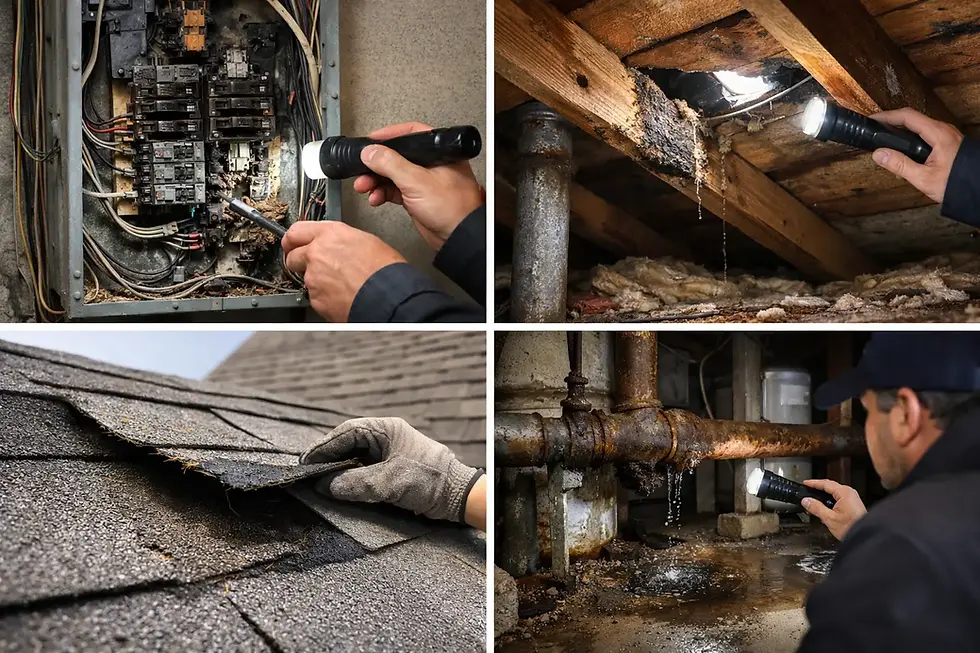
Photos are central to that process. A picture of staining alone may not tell a buyer much. A caption that identifies staining below a bathroom, notes elevated moisture readings where applicable, and recommends evaluation of the source gives the image context. Likewise, a photograph of an electrical panel should explain whether the concern is an open knockout, improper labeling, double-tapped wiring, corrosion, or another observed condition.
The report should also document limitations. Homes cannot be fully evaluated where access is blocked, components are concealed, utilities are off, or weather prevents safe roof access. This is not a technicality. In South Jersey, crawlspaces can be wet, heavily insulated, tight, or obstructed by stored material. A report should clearly state what could and could not be observed so the buyer understands the scope of the inspection.
Local Conditions That Need Clear Documentation
South Jersey housing stock ranges from older inland homes to newer construction, renovated bungalows, condos, and shore properties exposed to salt air and high seasonal humidity. The report needs to account for the property in front of the inspector rather than apply generic language.
Crawlspace moisture and drainage
Crawlspaces are a frequent source of questions in this area. During an inspection, the concern may be standing water, damp soil, microbial-like growth, insulation damage, deteriorated framing, vapor barrier issues, or evidence that exterior drainage is directing water toward the foundation.
Not every damp crawlspace indicates a major structural problem. But an active moisture condition should be documented carefully because it can affect wood components, insulation, indoor humidity, and future repair planning. Good reporting identifies the observed evidence without claiming a cause that cannot be confirmed during a visual inspection.
Roofs, exterior surfaces, and salt-air exposure
Near the coast, roof coverings, fasteners, exterior trim, and metal components can show weathering that differs from a more protected inland property. Wind exposure and salt-laden air can accelerate corrosion, while seasonal occupancy may delay discovery of leaks or drainage problems.
A same-day report should help a buyer understand whether the finding is localized deterioration, widespread age-related wear, active leakage, or a condition that warrants a roofing contractor’s evaluation. General statements such as “roof is old” are not enough for a buyer trying to assess the property.
Aging electrical and plumbing systems
Older homes throughout Atlantic County and nearby communities often have layers of renovation. An updated kitchen may be paired with an older electrical panel, mixed plumbing materials, or prior alterations that are not visible until the inspection.
The report should connect findings to the system involved. For instance, evidence of older wiring methods, a panel concern, an inaccessible junction box, or active plumbing leakage should be documented as separate conditions. Grouping everything under “older home issues” does not help a client prioritize.
Fast Does Not Mean Every Answer Is Final
A home inspection is a visual, noninvasive evaluation, not a code compliance review or an engineering investigation. Even a detailed same-day report cannot see behind finished walls, predict future failures, or determine the full extent of a concealed issue.
That is where recommendations for further evaluation matter. If the inspector sees a significant foundation crack, possible structural movement, a suspected sewer concern, widespread moisture damage, or a safety-related electrical issue, the report should direct the buyer to the appropriate qualified professional. The purpose is not to make a diagnosis beyond the inspection scope. It is to identify evidence that should not be ignored.
It also depends on the transaction. An experienced investor may use the report to build a repair budget and coordinate specialists. A first-time buyer may need help distinguishing immediate safety concerns from ordinary aging. Real estate professionals need a document that is accurate and measured, not loaded with exaggerated language that creates confusion for everyone involved.
How to Read the Report After the Inspection
Start with the major findings and safety-related conditions, then move through the report section by section. Read the captions under the photos, not just the headings. A condition can sound serious in a short label but have important context in the narrative.
Next, consider the relationship between findings. A stained ceiling, roof defect, and wet attic insulation may point to a connected issue. On the other hand, a few minor exterior defects in different locations may simply reflect normal deferred upkeep on an older property. The report is most useful when read as a picture of the house, not as a count of defects.
If a finding is unclear, ask while the inspection details are still fresh. A responsive inspector can explain what was observed, what was outside the inspection scope, and why a particular recommendation was made. That conversation often prevents a buyer from overreacting to a minor item or overlooking a condition that deserves prompt follow-up.
A property does not need to be perfect to be a sound purchase. What buyers need is a clear record of its present condition, delivered early enough to ask the right questions and move forward with confidence.