What Makes a Good Home Inspector in South Jersey?
- Eric Price
- Jun 5
- 6 min read
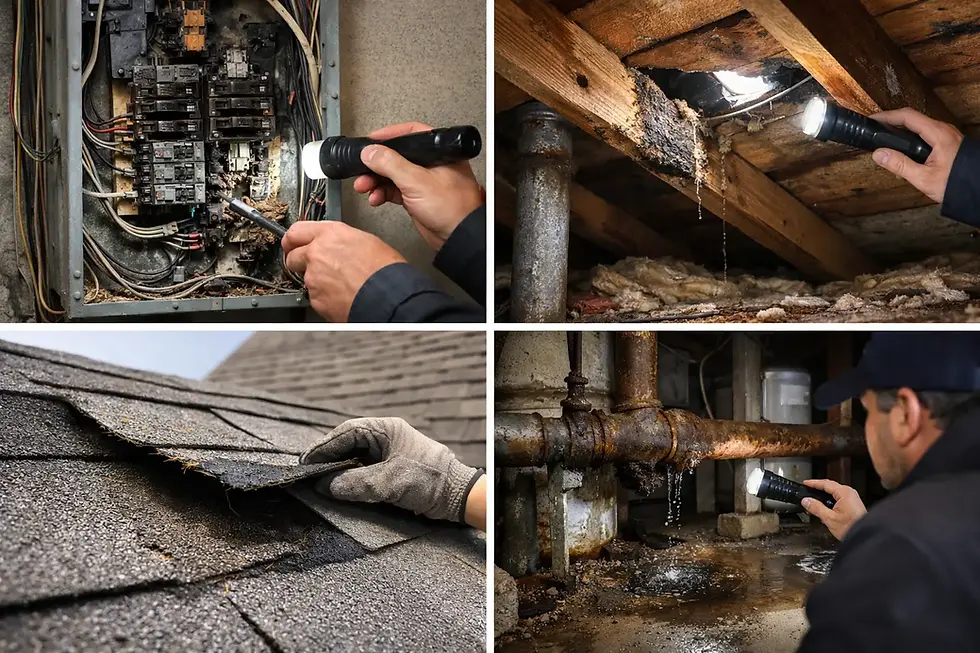
A buyer walks through a South Jersey house and sees fresh paint, clean floors, and a newer kitchen. An experienced inspector sees grading that pitches toward the foundation, staining in the crawlspace, rust at the electric panel, and a roof aging faster from salt-air exposure. That gap is exactly why people ask what makes a good home inspector in South Jersey.
The short answer is not just licensing. A good inspector needs to know how homes in this region actually behave. South Jersey properties have their own patterns - shore moisture, humid crawlspaces, older electrical updates done in stages, settlement around additions, and roofing wear that can look minor until you know what to look for. The best inspections are built on that local experience, careful observation, and clear reporting that helps a buyer understand the property without guesswork.
What makes a good home inspector in South Jersey?
A good inspector is thorough first. That sounds obvious, but thoroughness is where a lot of value lives. In the field, that means opening accessible panels, tracing visible deficiencies to their likely source, checking how systems interact, and paying attention to the parts of the house where South Jersey issues often show up early.
For example, a loose downspout is one thing. A good inspector also notices that the downspout discharge is too close to the foundation, the grade is holding water, the crawlspace shows elevated moisture signs, and the floor framing below a bathroom has staining that may suggest a longer-term condition. One item by itself may seem minor. The pattern matters.
That is especially true in Atlantic County, Cape May County, and other nearby areas where moisture is a regular factor rather than an occasional one. Houses near the shore, seasonal properties, and older homes with crawlspaces tend to tell a story in pieces. A good inspector knows how to connect them.
Local knowledge matters more than buyers realize
A home inspection is not better just because a report is long. It is better when the inspector understands what is common here, what is unusual, and what deserves closer attention.
In South Jersey, crawlspaces are a major example. Many homes have them, and many have conditions that can affect the rest of the structure - high humidity, insulation issues, damaged vapor barriers, past water entry, fungal-looking growth, wood deterioration, or ductwork problems. A good inspector does not treat the crawlspace like an afterthought because in this region it often explains what is happening above it.
Roofing is another area where local experience shows. Shore homes and properties exposed to wind, humidity, and salt air can age differently than inland homes. Flashing details, fastener corrosion, sealant failures, and subtle signs of moisture entry can be easier to miss if the inspector is relying on a general checklist instead of field experience with local housing conditions.
The same goes for older housing stock across parts of Cumberland, Gloucester, Camden, and Burlington Counties. Many homes have had repairs or upgrades over decades, not all completed to the same standard. A good inspector is alert to mixed-era systems - newer panels with older branch wiring, updated interiors with older structural or drainage issues, replaced windows without proper exterior water management, and additions that perform differently than the original home.
Good inspectors do not create panic - they create clarity
This is one of the most overlooked traits.
Buyers need honest findings, not dramatic language. A strong inspector knows how to separate material defects, maintenance-type conditions, safety concerns, and items that warrant specialist review. That balance matters because every house has findings. Even very clean homes have them.
If an inspector treats every issue like a deal-breaker, the report becomes less useful. If the inspector minimizes visible concerns, that is just as bad. The right approach is clear, direct explanation. What was observed, why it matters, and what the next step should be.
That is where communication during the inspection matters as much as the written report. Buyers should be able to ask questions and get straight answers. Real estate professionals also benefit from that kind of clarity because it keeps attention on actual property conditions instead of confusion over wording.
A good report should be detailed, but easy to use
The report is what buyers bring into attorney review, negotiations, repair requests, and follow-up conversations. If it is vague, delayed, or hard to understand, the inspection loses value quickly.
A good South Jersey home inspector delivers a report that is detailed enough to document the condition of the property, but organized well enough that clients can act on it. Photos matter. Clear descriptions matter. Prioritization matters. Same-day reporting can also matter, especially in active transactions where decisions move quickly.
The strongest reports do more than list defects. They show location, explain the concern in plain language, and help the client understand whether the issue points to moisture intrusion, structural movement, electrical safety concerns, deferred maintenance, or further evaluation needs.
Experience shows up in the small details
Most buyers expect the big systems to be checked. The real difference often shows up in the less obvious observations.
An experienced inspector notices when a bathroom fan terminates improperly and has likely contributed to attic moisture. They notice when a patch in the ceiling aligns with a roof penetration that deserves closer review. They notice when efflorescence at a foundation wall is old and dry versus active and ongoing. They notice when exterior grading and gutter discharge are setting up future water entry, even if the basement or crawlspace looks dry on that day.
This kind of pattern recognition is hard to fake. It comes from inspecting houses across seasons, neighborhoods, and property types. It also comes from understanding that no two homes present the same way, even when they share the same age or layout.
What to look for when choosing an inspector
If you are hiring an inspector, look for more than a license and an open appointment slot. Ask whether they routinely inspect homes in South Jersey and whether they are comfortable with the types of properties common here, including shore homes, older homes, crawlspace homes, and seasonal properties.
Pay attention to how they explain their process. A good inspector should be able to tell you what is included, how findings are documented, whether they offer related services like radon testing, termite inspections, mold inspections, thermal imaging, or drone roof inspections when conditions call for them, and when the report will be delivered.
Responsiveness matters too. If communication is unclear before the inspection, that usually does not improve once the report is in your inbox and you have questions about defects, safety items, or follow-up recommendations.
Reviews can help, but they are most useful when they mention specifics - thoroughness, communication, report quality, professionalism, and whether the inspector helped the client understand the house rather than just handing over a document.
Why the best inspectors stay objective
A good inspection is independent and grounded in what is visible at the time of the inspection. That sounds basic, but it is part of what makes the service trustworthy.
The inspector is not there to push a sale through or kill a deal. The job is to document condition and identify concerns based on observed evidence. Sometimes the findings are minor. Sometimes they point to larger issues involving moisture, structural movement, electrical safety, roofing, or wood-destroying insect activity. Either way, the client needs facts, not spin.
That objectivity is especially valuable in fast-moving transactions. Buyers are often under pressure. Sellers may already be dealing with timing and repair questions. Agents need clear, usable information. A good inspector helps everyone by staying measured and specific.
The South Jersey difference
What makes a good home inspector in South Jersey is not a polished script. It is the ability to inspect with local context.
That means understanding how coastal moisture conditions affect homes near the shore. It means knowing that drainage concerns around Atlantic County properties often connect to crawlspace and foundation observations. It means recognizing how aging housing stock can hide layered repairs and partial upgrades. It means noticing what humidity, seasonal vacancy, and salt-air exposure tend to do over time.
Those details shape the inspection. They also shape the advice a buyer receives after the inspection, because the next step is rarely just about whether something is present. It is about how significant it appears, how soon it should be addressed, and whether the condition suggests a broader issue.
A company like Next Day Property Inspections has built its reputation on exactly that kind of field-based approach - detailed inspections, fast reporting, and practical communication that helps clients make decisions with confidence.
If you are choosing an inspector, look for the one who can explain the house in front of you the way a seasoned local professional would - clearly, calmly, and with enough detail to help you move forward without surprises.