South Jersey Home Inspector Before Hiring
- Eric Price
- May 20
- 6 min read
A house can look clean at a showing and still have a wet crawl space, an aging roof, active moisture in the attic, or a cracked heat exchanger. That is why south jersey home inspector: what buyers should know before hiring is not just a search phrase - it is a real decision point in the transaction. The right inspector helps you understand the property you are about to buy, what matters now, and what may become expensive after closing.
In South Jersey, inspection issues are often tied to the age of the home, proximity to the shore, drainage conditions, seasonal moisture, and deferred maintenance that does not always show up in listing photos. Buyers do not need dramatic language. They need accurate findings, clear reporting, and an inspector who can explain the difference between a manageable repair item and a major condition concern.
What a South Jersey home inspector should actually deliver
A good inspection is not a quick walk-through with a few pictures and broad comments. Buyers should expect a methodical evaluation of the visible and accessible components of the home, including roofing, exterior, structure, electrical, plumbing, HVAC, insulation, ventilation, interior systems, and signs of moisture intrusion.
What separates one inspector from another is not just whether those categories are covered. It is how thoroughly they are evaluated, how clearly the findings are documented, and how useful the report is once the inspection is over. A strong report should help a buyer and agent identify safety concerns, material defects, and items that deserve further evaluation without forcing them to guess what the inspector meant.
Fast turnaround also matters. In a competitive transaction, waiting too long for a report can create unnecessary pressure. Same-day digital reporting is especially useful because it gives buyers time to review findings and ask informed follow-up questions while inspection contingencies are still active.
South Jersey home inspector: what buyers should know before hiring
The biggest mistake buyers make is assuming every licensed inspector works at the same level of detail. Licensing matters, but it is only the starting point. Buyers should pay attention to how the inspector communicates, how detailed the sample reporting appears, and whether the inspection process reflects real field experience.
In South Jersey, local knowledge makes a noticeable difference. Homes near coastal areas often show different wear patterns than inland properties. Moisture staining, crawl space humidity, older electrical updates, aging decks, settlement cracks, and roof wear from exposure are not unusual findings. An inspector familiar with these patterns is more likely to spot what deserves closer attention and explain it in the right context.
It also helps when the company offers relevant add-on services that match the property, rather than treating every home exactly the same. Radon testing, termite inspections, mold evaluations, thermal imaging, and drone roof inspections can all add value when they fit the house and the transaction. Not every property needs every service, but buyers should work with an inspector who can identify when those additional evaluations make sense.
The report matters as much as the inspection
Many buyers focus on inspection day and overlook the report itself. That is a mistake. The report becomes the record everyone works from afterward, including the buyer, agent, attorney, and sometimes contractors or specialists.
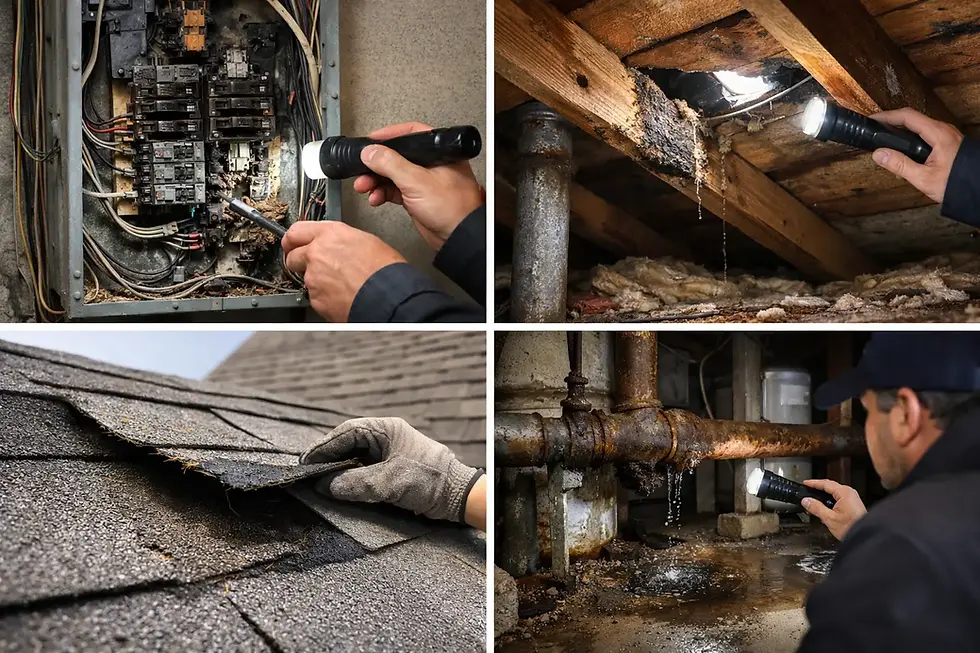
A useful report should include clear photos, specific descriptions, and practical language. If the electrical panel shows evidence of rust or overheating, that should be stated plainly. If the attic has visible microbial growth-like staining and elevated moisture concerns, that should be described without vague wording. If a furnace is operating beyond typical service life, the report should explain that age alone is not a defect, but it does increase the chance of repair or replacement.
This is where experience shows. Overly alarmist reporting creates confusion. Overly soft reporting causes buyers to miss significant issues. The best inspectors are direct without exaggerating, and they know how to explain risk in a way that helps clients make decisions.
Common issues buyers run into in this area
South Jersey homes can present a wide range of conditions depending on age, location, and construction style. Older homes may have outdated electrical components, foundation movement, prior amateur repairs, or long-term moisture evidence in basements and crawl spaces. Newer homes are not exempt. It is common to find incomplete workmanship, missing flashing details, grading concerns, or HVAC performance issues even in relatively recent construction.
Moisture is one of the biggest themes across many inspections. That may show up as staining around skylights, elevated humidity in crawl spaces, signs of condensation in attics, or fungal growth concerns in areas with poor ventilation. Near-shore properties can also show accelerated exterior wear, including trim deterioration, fastener corrosion, and roof aging patterns tied to exposure.
Wood-destroying insect activity is another issue buyers should not treat as an afterthought. A termite inspection can reveal damage or evidence that is not obvious during a general visual review of the home. The same goes for radon. Some buyers assume it is only a concern in certain parts of the state, but testing is the only way to know what is present in the home under actual conditions.
Questions worth asking before you book
Buyers do not need a long checklist, but they should ask a few direct questions. How long does the inspection usually take for a home of this size and age? Is the report delivered the same day? Are photos included throughout the report? Can the inspector explain findings on site in plain terms? Are radon, termite, mold, thermal imaging, and drone roof evaluations available when needed?
Those questions reveal a lot. If the answers are vague, the inspection process may be too. Buyers should also ask whether the inspector encourages attendance. A buyer does not have to follow every step of the inspection, but being present for at least the summary can be helpful. It gives context to the report and allows immediate clarification on major concerns.
Why local experience changes the quality of the inspection
A South Jersey home inspector who regularly works in Atlantic County, Cape May County, Cumberland County, and surrounding areas sees recurring patterns that an out-of-area inspector may not read as quickly. That does not mean every house has the same issues. It means the inspector understands what is typical, what is unusual, and what tends to cause trouble in local housing stock.
For example, a damp crawl space is not just a note about moisture. It may affect insulation condition, wood framing, air quality inside the home, and long-term structural durability if conditions have been present for an extended period. Roof concerns are similar. A missing shingle matters, but flashing defects, soft roof decking, patch history, and limited drainage performance often tell a bigger story than a single visible defect.
This kind of context helps buyers avoid two bad outcomes. One is underreacting to serious issues. The other is overreacting to conditions that are common, observable, and manageable when properly understood.
Add-on testing should fit the property, not a script
The best inspection companies do not push every service on every client. They match testing to the house. If there are signs of suspicious staining, elevated humidity, or a history of leaks, mold evaluation may be worth discussing. If roof access is limited or the slope is not safely walkable, drone imaging can help document conditions more thoroughly. If the property is in an area where radon is a concern, testing adds useful information before closing.
Thermal imaging can also be valuable, especially when used by an inspector who understands what the patterns mean. It can help identify certain moisture concerns, insulation gaps, and abnormal temperature differences, but it is a tool, not a standalone conclusion. That distinction matters. Good inspectors use technology to support visual findings, not to replace sound judgment.
What buyers should pay attention to during the inspection period
Once the report is in hand, buyers should focus first on safety issues, active leaks, structural concerns, major system defects, and moisture-related conditions. Cosmetic comments are part of the report, but they should not distract from the items that affect occupancy, financing, or near-term repair planning.
It also helps to read the report fully instead of jumping only to the summary. The photos and narratives often explain how broad or isolated a condition appears to be. If something is unclear, ask. A professional inspector should be able to explain the finding, why it matters, and whether the issue suggests monitoring, repair, or additional evaluation.
For buyers who want a clear picture without a lot of filler, that is the standard to look for. A thorough inspection should reduce uncertainty, not add to it.
Choosing the right inspector will not make an older house perfect or erase the normal risks that come with real estate. What it can do is give you a more accurate read on the home before you commit, which is exactly what buyers need when the next decision carries real money and long-term consequences.