Should You Attend Your Home Inspection?
- Eric Price
- May 15
- 6 min read
You are standing in the driveway, wondering whether you should attend your home inspection or just wait for the report. The short answer is yes - in most cases, buyers should be there for at least part of it. Not because you need to follow the inspector room to room, but because seeing the house through a trained inspector’s eyes can help you understand the property in a way a report alone usually cannot.
That said, attendance is helpful, not mandatory. If work, travel, or timing makes it difficult, a thorough inspection with a clear digital report can still give you what you need. The real question is not just whether you can attend. It is whether being there will help you make better decisions during a purchase.
Should You Attend Your Home Inspection? Usually, Yes
For most homebuyers, attending the inspection is worth it. A good inspection is more than a checklist of defects. It is a chance to understand how the house is built, where the main concerns are, and which findings are typical versus more serious.
In older South Jersey homes, for example, buyers often see a mix of aging systems, moisture-related concerns, deferred maintenance, and past repairs of varying quality. In shore-area properties, exposure to salt air and wind can affect exterior materials faster than buyers expect. In some inland homes, crawl spaces, basements, and attic ventilation issues tell an important part of the story. When you are present, those conditions make more sense because you can see them in context.
The key is to attend with the right expectations. The inspection is not a pass-fail test, and it is not a code compliance inspection for every item in the house. It is a professional assessment of visible and readily accessible conditions on the day of the inspection. Being there helps you hear that explanation directly instead of trying to interpret every photo and comment later.
What You Gain by Being There
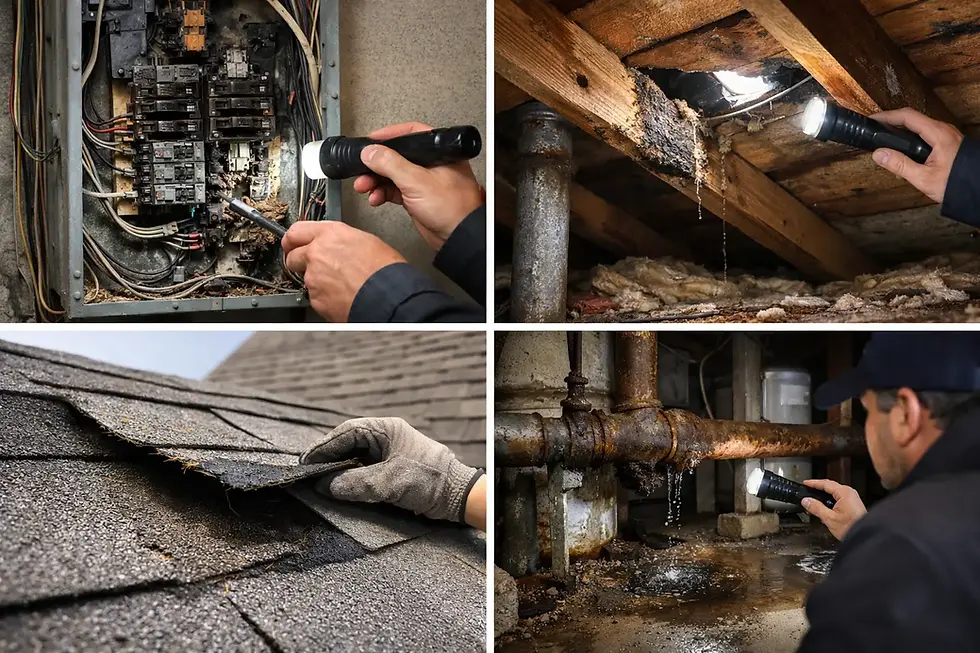
The biggest benefit is clarity. Buyers reading a report on their own sometimes focus on the wrong things. They get stuck on a loose handrail or a failed window seal and miss the larger concerns, such as active moisture intrusion, foundation movement, unsafe electrical conditions, or an aging roof near the end of its service life.
When you attend, you can ask questions in real time. You can learn whether a finding is mainly a maintenance issue, a safety concern, a functional problem, or something that may deserve further evaluation before closing. That is especially useful for first-time buyers, but experienced buyers benefit too. Even seasoned investors usually want to hear which defects are common for the property type and which ones stand out.
Attendance also helps you get familiar with the home’s major systems. During the inspection, you may learn where the electrical panel is, how the heating system is arranged, whether there are signs of past leaks in the attic, or how grading and drainage affect the structure. Those details matter when you are deciding whether to move forward, request repairs, or plan future improvements.
Why Some Buyers Skip It
Not every buyer can be present, and sometimes that is completely reasonable. Schedules do not always line up, especially with tight contract timelines. Some buyers are relocating from outside the area. Others prefer to avoid information overload and review everything once the inspector has had time to organize the findings clearly.
That can work well if the inspection company provides detailed reporting and strong communication afterward. Same-day reports with clear photos, practical comments, and straightforward summaries go a long way. A phone call after the inspection can also help buyers who could not attend understand which issues are most important and which are less urgent.
There is another reason some buyers skip the inspection: they assume they will not understand what they are seeing anyway. In practice, that is usually not a problem if the inspector communicates clearly. You do not need construction experience to benefit from attending. You just need to listen, ask a few good questions, and avoid trying to turn the inspection into a renovation consultation.
The Best Way to Attend Without Getting in the Way
If you plan to be there, the best approach is usually to arrive toward the end or attend the final portion. That gives the inspector time to work efficiently and develop a full picture of the property before discussing findings. It also avoids the stop-and-start effect that happens when an inspection turns into a running conversation from the first minute.
Most inspectors can explain more once they have seen the roof, attic, electrical system, heating and cooling equipment, plumbing components, exterior, and interior together. A stain on a ceiling means one thing by itself and something more specific when paired with attic conditions and roof observations. The story comes together as the inspection progresses.
If you are present the whole time, give the inspector space to inspect. Follow along when invited, but do not feel you need to shadow every step. Some parts of the process require concentration and safety awareness, especially around ladders, panels, crawl spaces, attics, and mechanical equipment.
What to Ask During the Inspection
The best questions are practical ones. Ask which findings are the most significant. Ask what appears active versus old or repaired. Ask whether a condition should be addressed soon, monitored, or evaluated further by a specialist before closing.
It also helps to ask about patterns. Is the moisture staining isolated, or does it suggest an ongoing issue? Is the settlement typical for the age of the home, or is it more concerning? Are the electrical defects limited and correctable, or do they point to broader amateur work? These are the kinds of questions that help buyers make informed decisions.
What usually does not help is asking for exact repair costs during the inspection. Inspectors can often explain the condition and why it matters, but pricing varies widely depending on contractor scope, materials, and access. The inspection is strongest when it stays focused on condition, risk, and recommended next steps.
When Attending Matters Even More
Some inspections are especially worth attending. One is when the home is older or has signs of multiple past renovations. In those properties, buyers benefit from hearing how different systems and repairs relate to one another. Another is when there are visible moisture concerns, foundation movement, roof aging, or HVAC performance issues. Seeing those conditions firsthand helps prevent confusion later.
It also matters when buyers are torn between several concerns and need help prioritizing. A report may contain many items, but not all of them carry the same weight. Being there for the recap helps separate nuisance defects from meaningful issues that could affect negotiations or future ownership costs.
For real estate professionals, buyer attendance can also reduce misunderstandings after the fact. When clients hear findings directly and see supporting conditions in person, they tend to have a more grounded understanding of the report.
When It Is Fine Not to Attend
If you cannot be there, do not assume the inspection loses its value. What matters most is the quality of the inspection itself and the quality of the communication that follows. A detailed report with clear photos, thermal images where appropriate, and concise explanations can still give you a reliable picture of the property’s condition.
This is where experience matters. An inspector who knows the housing stock in Atlantic, Cape May, Cumberland, and surrounding South Jersey counties can often identify patterns that newer or out-of-area inspectors may not frame as clearly. Local experience shows up in the way findings are explained, not just in the way defects are photographed.
If you are absent, plan to review the report carefully and schedule time for follow-up questions. The right conversation afterward should leave you with a clear sense of what is defective, what is aging, what is a safety concern, and what deserves immediate attention before you close.
A Good Inspection Is Still About Judgment
Buyers sometimes expect the inspection to produce a simple answer: buy the house or walk away. That is rarely how real transactions work. Most homes have defects. Even well-maintained homes usually do. The value of the inspection is in helping you understand the difference between acceptable wear, manageable repairs, and issues that materially change the decision.
That is another reason attendance helps. You are not just collecting facts. You are building judgment. You are learning how the house has held up, where the weak points are, and whether the property still makes sense for your goals.
At Next Day Property Inspections, that is usually what buyers need most - not alarm, not guesswork, just a clear understanding of what the house is telling you. If you can attend, do it. If you cannot, make sure you work with an inspector who can explain the property just as clearly after the inspection as during it.
The best inspection leaves you with fewer surprises, better questions, and a lot more confidence in your next step.