South Jersey Home Inspection Process Explained
- Eric Price
- Jun 15
- 6 min read
A showing can make a house feel right in ten minutes. The inspection is where you find out how it actually performs. In the south jersey home inspection process, that difference matters, especially in properties affected by coastal moisture, older construction, crawlspace conditions, and long-term humidity exposure.
For buyers, sellers, and agents, the value of the inspection is not drama. It is clarity. A good inspection should show you how the major systems and visible components are functioning on the day of the inspection, where defects are present, and which findings deserve immediate attention versus simple awareness. In South Jersey, that often means looking closely at moisture patterns, structural movement, roof wear, drainage, insulation gaps, aging mechanicals, and signs of deferred maintenance that may not stand out during a walkthrough.
What the South Jersey home inspection process actually involves
The process usually starts before the inspector arrives. Once the inspection is scheduled, the property details matter. Age of the home, foundation type, whether it is a primary residence or seasonal property, and whether the house is near the shore all help shape what deserves extra attention. A 1960s ranch in Atlantic County raises different concerns than a newer home farther inland, and an inspector with local field experience will adjust accordingly.
On inspection day, the evaluation typically begins outside. That is not just a routine starting point. Exterior conditions often explain what is happening inside. Grading, gutters, downspout discharge, siding clearances, roof drainage, and visible settlement patterns can all point to moisture entry and long-term wear. In South Jersey, drainage problems are common, especially where flat lots, high groundwater, and heavy seasonal rain put extra stress on foundations and crawlspaces.
From there, the inspection moves through the roof, exterior, interior rooms, attic, insulation, structure, plumbing, electrical, and heating and cooling systems. The goal is not to produce a pass-fail result. The goal is to document visible conditions and explain what they mean in practical terms.
What inspectors focus on in South Jersey homes
Every house is different, but some patterns show up again and again in this region. Shore homes and properties closer to the coast are often exposed to salt air, higher humidity, and wind-driven rain. Those conditions can accelerate exterior wear, affect metal components, and create long-term moisture issues around windows, trim, and roofing materials.
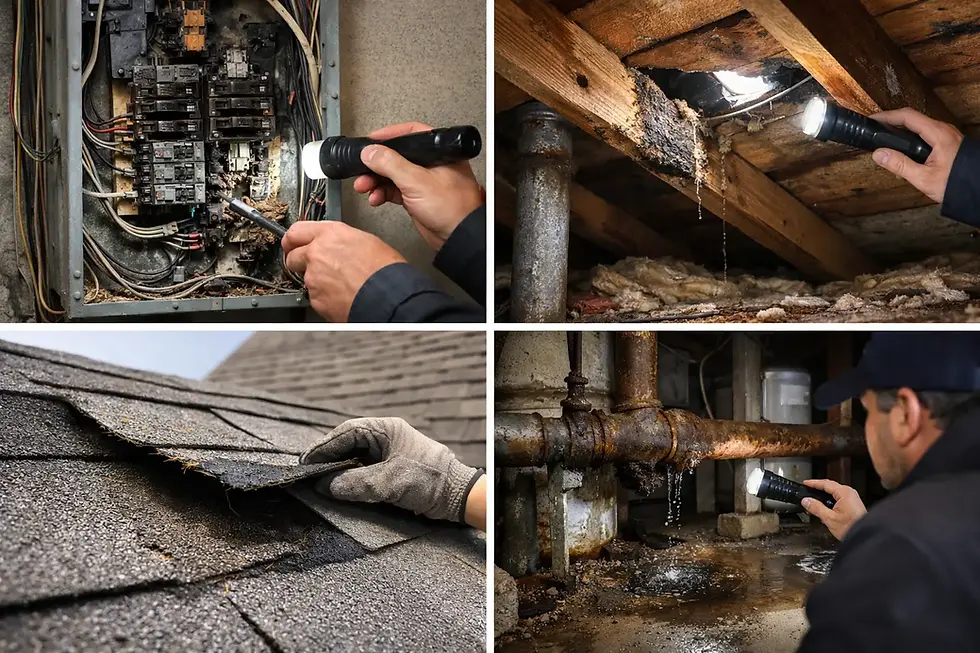
Crawlspaces are another major part of the south jersey home inspection process. In many homes across Atlantic, Cape May, and Cumberland County, crawlspaces tell the real story. You may find elevated moisture, insulation hanging below the floor framing, signs of previous water entry, damaged vapor barriers, fungal growth conditions, or wood deterioration. Buyers often focus on kitchens and bathrooms during showings. Inspectors know the crawlspace is where hidden problems often show up first.
Attics also reveal a lot. Staining around roof penetrations, compressed or missing insulation, improper bathroom venting, and signs of past leaks are all common findings. In older housing stock, attic conditions can explain both energy loss and moisture problems. In seasonal or lightly occupied homes, these issues can go unnoticed longer because the property is not lived in full-time.
Electrical systems vary widely across South Jersey. Some homes have updated service panels but older branch wiring. Others have a mix of improvements made over time, not always consistently. That does not automatically mean the home is unsafe, but it does mean the inspection should identify visible deficiencies clearly. The same is true with plumbing and HVAC systems. Age, installation quality, and signs of active leakage or poor performance often matter more than whether the system is simply old.
What happens during the inspection appointment
Most buyers benefit from attending at least part of the inspection. Not because they need a technical lesson, but because seeing conditions firsthand makes the report easier to understand later. A good inspector will explain findings in plain language and give context. Is this a material defect, a maintenance-type issue, or a condition worth monitoring? That distinction matters.
The appointment itself is a visual, non-invasive evaluation of accessible areas and components. That means inspectors are not opening finished walls or predicting future failures. What they are doing is documenting the condition of what can be observed at the time of the inspection and identifying patterns that suggest bigger concerns. Experienced inspectors are often connecting small clues - staining, settlement, rust, patchwork repairs, elevated moisture readings - into a more accurate picture of how the house has been performing.
This is also where local experience matters. A stain in a ceiling does not always mean an active roof leak. Efflorescence in a basement or crawlspace does not always point to structural failure. But neither should be dismissed. The right approach is direct and measured. Identify the issue, explain the likely cause based on visible evidence, and recommend the next step when needed.
The report and why speed matters
After the fieldwork is done, the report becomes the working document for the transaction. Fast delivery matters, but detail matters more. Buyers and agents need clear photos, location-specific notes, and plain explanations that support decision-making during a tight contract timeline.
A same-day digital report is especially useful in active South Jersey transactions where deadlines move quickly. The best reports are not padded with vague language. They organize findings by system, note material defects, and separate higher-priority concerns from less significant items. That helps clients avoid overreacting to minor issues while still understanding where meaningful risk may exist.
For example, a report might distinguish between an older but functional water heater and a roof defect that appears to be allowing active moisture entry. Both are relevant. Only one may need immediate action or further evaluation before closing. That kind of clarity is what buyers, investors, and real estate professionals need from a licensed South Jersey home inspector.
Add-on testing that may make sense locally
Not every property needs every additional service, but some add-ons are highly relevant in this market. Radon testing can be appropriate depending on the location and structure type. Mold inspections may be warranted where there is visible growth, persistent moisture history, or concerning indoor air conditions. Termite, or WDI, inspections are also common because wood-destroying insect activity can remain hidden until visible damage or conducive conditions are found.
Thermal imaging can add value when used correctly. It is not x-ray vision, and it should not be treated that way. But in the hands of an experienced inspector, it can help identify temperature anomalies associated with missing insulation, moisture intrusion, or HVAC performance concerns. Drone roof inspections can also be useful when roof access is limited or unsafe, especially on steeper roofs or certain shore properties where height and exposure make direct access less practical.
The key is relevance. Extra services should match the property, not a generic checklist.
How buyers should use inspection findings
The inspection is not there to tell you whether to buy the house. It is there to tell you the condition of the house as observed on that day. What you do with that information depends on the severity of the findings, your budget, your timeline, and your tolerance for future work.
Some reports uncover mostly manageable issues. Others show a pattern of moisture intrusion, structural concerns, roof deterioration, or unsafe electrical conditions that change the conversation. Neither outcome is unusual. Homes in this region often have a mix of age-related wear and localized environmental stress. What matters is understanding whether the defects are isolated, widespread, active, or likely to affect occupancy, safety, or near-term repair planning.
This is where experienced reporting makes a difference. Buyers do not need inflated language. They need straight answers. If a crawlspace has elevated moisture and microbial-like growth conditions, say that clearly. If the grading is directing water toward the foundation, explain the significance. If an HVAC system is functional but near the end of its typical service life, that is useful context, not a reason to panic.
Why local inspection experience changes the outcome
The south jersey home inspection process is not just a standard checklist done in a different zip code. Local housing styles, environmental conditions, and common defect patterns shape what a thorough inspection looks like. Shore properties, older inland homes, seasonal residences, and investor-owned properties all come with their own inspection patterns.
That is why a locally experienced company like Next Day Property Inspections brings practical value beyond just filling out a report. The difference is often in what gets noticed, how findings are explained, and how quickly clients get usable information back.
A solid inspection should leave you better grounded, not overwhelmed. When the report is clear and the findings are explained in real terms, you can move forward with a better sense of the property you are buying, selling, or evaluating - and that is the whole point.