What Happens After a Home Inspection in NJ?
- Eric Price
- May 12
- 6 min read
The inspection is over, the inspector has packed up, and now everyone is waiting on the report. That is usually the moment buyers start asking the real question: what happens after a home inspection in NJ? The short answer is that the inspection shifts the deal from assumptions to documented conditions. From there, the buyer, agent, seller, and attorneys start making decisions based on what was actually found.
In New Jersey, that next phase moves quickly. Inspection contingencies, attorney review timing, and repair negotiations can overlap, especially in active markets. If you understand what typically happens next, it is much easier to focus on the findings that matter and avoid getting sidetracked by items that sound dramatic but may not affect the transaction in a major way.
What happens after a home inspection in NJ
Once the inspection is complete, the first major step is the report review. A detailed digital report usually arrives the same day or soon after, depending on the company. That report becomes the working document for the next conversation. Buyers read it, agents review it, and attorneys may use it to support requests during the contingency period.
This is where context matters. Nearly every house has findings. Even newer homes can have safety concerns, incomplete installations, active leaks, improper electrical work, or moisture intrusion. Older homes in South Jersey often show a different pattern - aging roofs, original windows, settlement-related cracking, older electrical panels, crawl space moisture, and deferred maintenance that built up over time.
The goal after the inspection is not to create a perfect house. The goal is to understand condition, identify material issues, and decide what needs to happen for the buyer to move forward with confidence.
The report review is where the deal gets clearer
A strong inspection report should separate minor maintenance items from larger concerns. That distinction matters because buyers can get overwhelmed if they treat every note the same way. A loose door latch and a double-tapped breaker are not equal. One is routine, the other may point to an electrical safety issue that deserves prompt correction.
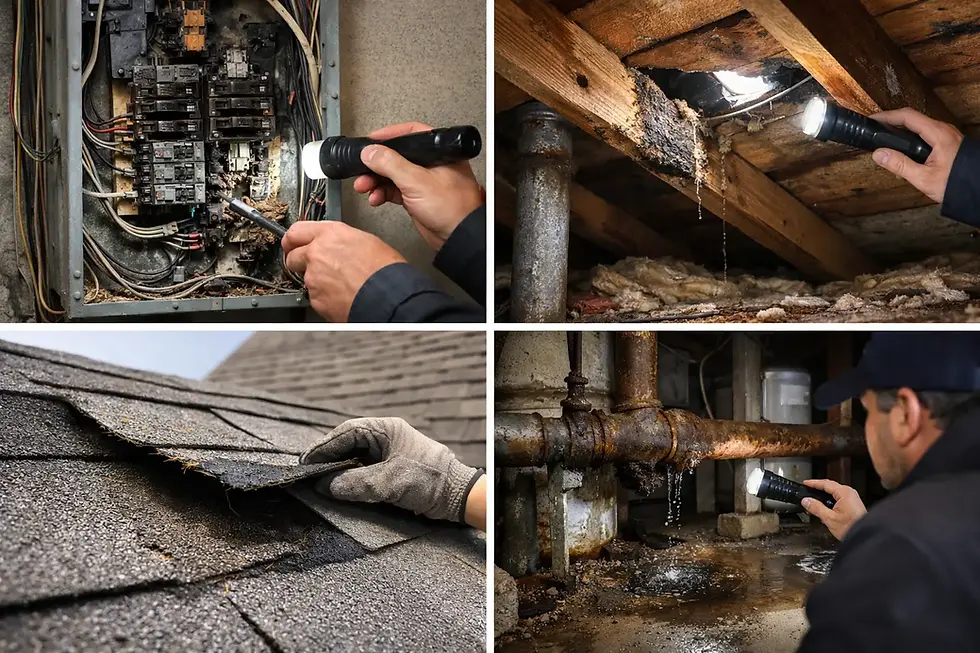
In practical terms, buyers usually review the report in three categories. First are safety issues, such as exposed wiring, missing GFCI protection where it should be present, unstable railings, or evidence of active leaks around electrical components. Second are major defects, including roof failures, structural movement, significant plumbing leaks, HVAC systems not functioning properly, or moisture damage that may have spread further than what is visible. Third are the smaller items that are worth knowing about but do not usually drive contract negotiations on their own.
This is also the point where additional testing can affect next steps. In South Jersey, radon testing, termite inspections, mold evaluations, thermal imaging findings, and drone roof observations can all add important detail. A home may look manageable on a standard walk-through but tell a different story once elevated radon levels, active wood-destroying insect activity, or concealed moisture patterns show up in the findings.
Buyers usually make one of three decisions
After reading the report, most buyers go in one of three directions. They can proceed as-is, request repairs or credits, or walk away if the contract and timing allow it.
Proceeding as-is usually happens when the findings are expected for the age and type of home, and the buyer is comfortable handling them after closing. That is common when the report shows a number of moderate issues but no major red flags.
Requesting repairs or credits is the most common next step. In New Jersey transactions, buyers often ask the seller to address specific defects, provide a credit at closing, or reduce the purchase price. Which option makes the most sense depends on the issue. If a furnace is unsafe, buyers often prefer repair or replacement before closing. If the house has a long list of moderate concerns, a credit may be cleaner than asking the seller to fix everything.
Walking away is usually tied to major findings, failed negotiations, or discoveries that change the buyer's comfort level with the property. That could include structural concerns, extensive hidden moisture damage, active mold growth tied to larger water intrusion, or a roof near the end of its life when the buyer was not prepared for immediate replacement costs.
Repair requests are usually narrower than the full report
One of the biggest misunderstandings after an inspection is the idea that the seller is expected to fix every item in the report. That is not how most transactions work.
The inspection report is a condition document, not a repair list for the seller. Buyers and their agents typically prepare a more focused request based on material defects, safety concerns, and systems that are not functioning as intended. That could mean asking for correction of electrical hazards, plumbing leaks, active roof leaks, HVAC defects, or moisture-related issues rather than cosmetic imperfections or minor wear.
This is where experienced review matters. Some issues sound small but point to larger concerns. Staining in an attic, for example, may be old and inactive, or it may be evidence of an active roof leak with hidden decking damage. A crack in a foundation wall may be minor shrinkage, or it may suggest movement that deserves further evaluation. The next step after the inspection is often less about the number of items and more about understanding which findings have real weight.
Sellers respond based on leverage, timing, and the type of defect
Sellers do not all respond the same way. Some agree quickly to reasonable requests, especially when the issues involve clear safety hazards or active system defects. Others push back, offer partial credits, or decline repairs entirely.
Market conditions can influence that response, but so can the type of problem. Straightforward defects are easier to negotiate. A leaking plumbing connection under a sink is simple. A damaged roof with uncertain remaining life is more complicated. If the issue requires a specialist, the transaction may pause briefly while more information is gathered.
In South Jersey, weather exposure and property type can shape these conversations. Shore-area homes may show more exterior wear from salt air and wind. Crawl spaces in older homes may have chronic moisture conditions. Split-levels, capes, ranches, and older colonials each tend to have their own recurring patterns. A locally experienced inspector helps buyers understand whether a finding is unusual, urgent, or typical for that style and age of home.
What happens after a home inspection in NJ if more evaluation is needed
Sometimes the inspection does not end the investigation. It narrows it.
If the report identifies evidence of structural movement, HVAC performance issues, electrical concerns, suspected mold conditions, wood-destroying insect activity, or roofing defects that could not be fully confirmed during the visual inspection, the buyer may bring in a specialist before final negotiations are completed. That does not automatically mean the house is a bad purchase. It means the next decision should be based on better information.
This step is especially important when the defect could involve concealed damage. A small area of interior staining may lead to a roofing contractor finding broader sheathing deterioration. Elevated moisture readings around a shower may reveal damaged substrate behind finished surfaces. Evidence of termite activity may turn out to be old, or it may show active infestation with structural repairs needed.
The inspection report gives the transaction direction. Follow-up evaluations provide scope.
Attorneys, agents, and deadlines matter here
New Jersey real estate transactions involve more moving parts than many buyers expect. After the inspection, timing becomes important. Buyers generally need to raise concerns within contingency deadlines, and attorneys often formalize requests as part of the contract process.
That means delays can hurt leverage. If a buyer sits on a report too long, valuable time can disappear. The smoother path is to review the report promptly, ask clarifying questions, and decide quickly which findings rise to the level of negotiation.
This is one reason detailed same-day reporting helps. When buyers get clear documentation fast, they have more room to think through the findings rather than rushing at the end of a contingency window. Next Day Property Inspections is often brought in for exactly that reason - thorough reporting is important, but so is getting it in time for the client to actually use it.
The final outcome is usually a revised comfort level
Most deals do not fall apart because a home has defects. Most homes do. What changes after the inspection is the buyer's level of certainty.
Sometimes the buyer feels better because the issues are manageable and clearly documented. Sometimes the buyer renegotiates because the condition is different from what was expected. Sometimes the buyer decides the property is no longer the right fit. All three outcomes are valid if they are based on solid information.
A good inspection does not kill a deal or save a deal on its own. It gives everyone a more accurate picture of the house. That is what the process is supposed to do.
If you are at the report stage now, focus less on how many items appear in the document and more on what those findings actually mean. The right next step is usually not panic or blind optimism. It is a clear read on the property's condition, followed by decisions that match the facts.