Atlantic City Home Inspector Common Issues
- Eric Price
- Jun 3
- 6 min read
A house can look clean at a showing and still have the kind of defects that change the deal once the inspection starts. That is especially true with Atlantic City properties, where age, moisture, salt air, and periods of vacancy can all show up in the same home. When buyers ask an Atlantic City home inspector common issues buyers should know, the answer usually starts with the same pattern - coastal wear, deferred maintenance, and hidden conditions in crawlspaces, attics, and utility areas.
In this market, the goal of an inspection is not to make every older home look bad. It is to identify which issues are normal for the property’s age and location, which ones are active concerns, and which ones may affect your budget or negotiations right away. That distinction matters a lot in Atlantic County, where a shore property can have cosmetic updates on the surface and still show underlying structural or moisture-related concerns.
What an Atlantic City home inspector commonly finds
A lot of Atlantic City housing stock has been through decades of weather exposure, renovations, and patchwork repairs. Some homes have been primary residences for years. Others have been seasonal, tenant-occupied, or lightly maintained between transactions. That history tends to leave clues.
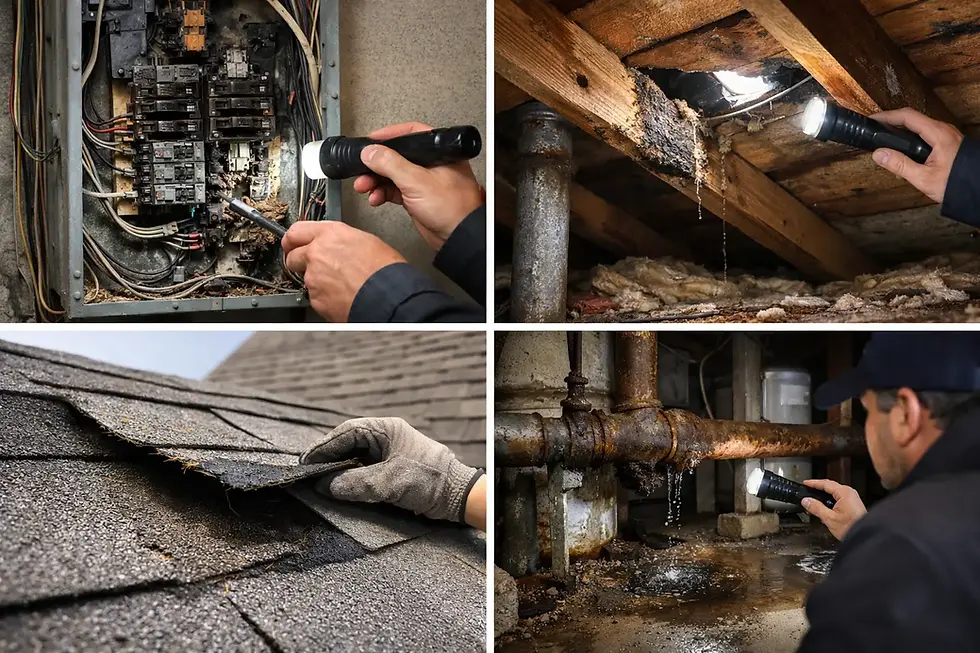
The most common findings are not always dramatic. More often, they are a collection of smaller defects that point to a larger pattern. A roof nearing the end of its service life, elevated moisture in a crawlspace, rusted exterior components, older electrical wiring, and signs of past water entry often show up together. None of those items should be viewed in isolation.
An experienced inspector looks at how the systems interact. Poor drainage around the house can affect the foundation or crawlspace. High humidity in a crawlspace can contribute to wood damage, insulation issues, and indoor air concerns. An older electrical panel may be functioning at the time of inspection but still raise safety or insurance questions because of its age or condition.
Moisture and crawlspace conditions are frequent concerns
In South Jersey shore homes, moisture is one of the most consistent themes. Atlantic City properties often deal with high humidity, damp crawlspaces, and signs of past or active water intrusion. Buyers sometimes expect that in a basement, but crawlspaces are often where the more meaningful story is found.
In the field, this can mean exposed earth with no effective vapor barrier, visible microbial growth on framing, deteriorated insulation, rusted hangers or ducts, and moisture staining on structural members. Sometimes the issue is standing water. More often, it is long-term dampness that has been present long enough to affect materials.
This does not always mean major structural failure. It does mean the house has likely been dealing with moisture for a while, and the conditions should be understood before closing. In coastal environments, ongoing humidity combined with limited ventilation can accelerate wear faster than buyers expect.
Why shore-area moisture problems get underestimated
A lot of buyers focus on visible finishes. Fresh paint, new flooring, and updated kitchens draw attention away from the less visible parts of the property. But in Atlantic County homes, the crawlspace and attic frequently tell a more accurate story than the living room.
Moisture-related conditions are also easy to normalize. Sellers and agents may describe a crawlspace as typical for the area, and sometimes parts of it are. The real question is whether the conditions are controlled or actively affecting the structure and materials. There is a difference between a home that shows expected coastal wear and one that has ongoing water management issues.
Roof wear is often more than missing shingles
Roofs near the shore take a beating. Wind exposure, salt-air exposure, and deferred maintenance can shorten roof life and affect flashing, fasteners, and penetrations. Buyers often look for obvious damage, but the bigger concern is usually overall aging and the quality of past repairs.
On Atlantic City inspections, common findings include brittle or curling shingles, patched areas around vents, worn flashing, soft spots on portions of the roof covering, and staining in the attic that suggests prior leakage. Flat and low-slope roof sections, common on some shore properties and multifamily buildings, deserve especially close attention because drainage and membrane condition can become major factors.
A roof does not have to be actively leaking on inspection day to be a concern. If it is at or near the end of its expected life, that should be factored into the purchase decision. This is one of those areas where same-day digital reporting helps buyers move quickly with real information instead of guesswork.
Electrical issues show up often in older Atlantic City homes
Older homes across Atlantic City and surrounding areas regularly have electrical systems that reflect multiple generations of work. It is common to find a newer receptacle in one room, older wiring in another, and panel modifications that do not appear professionally managed.
The issues vary. Sometimes it is missing bonding, double-tapped breakers, open junction boxes, reverse polarity, or a lack of GFCI protection where it should be present. In other properties, the concern is the age or condition of the service equipment itself. Corrosion is another local factor, particularly where equipment has been exposed to damp conditions over time.
Not every electrical finding means a house is unsafe to occupy, but electrical defects are rarely the place to shrug and move on. Buyers should understand whether the findings are minor corrections, broader system updates, or indicators of amateur work done over the years.
Structural movement and framing damage need context
Buyers hear the word structural and understandably assume the worst. In practice, inspection findings need context. Older homes often show some uneven floors, framing alterations, or evidence of prior settlement. The key is determining whether the condition appears long-standing and stable or whether there are signs of active movement, water-related deterioration, or inadequate support.
In Atlantic City properties, moisture can be part of the structural story. Wood rot in crawlspaces, damaged sill areas, and sagging sections related to prolonged dampness are not unusual. We also see repairs that may have addressed symptoms without fully correcting the source, especially in homes that changed hands more than once or served as rentals.
A good inspection should describe what is visible, where it is located, and why it matters. That clarity helps buyers decide whether they are looking at an older home with manageable age-related conditions or a property with more serious framing concerns.
Windows, siding, and exterior trim take coastal abuse
Exterior components age differently near the shore. Salt air, wind-driven rain, and seasonal temperature swings can speed up deterioration in windows, trim, fasteners, and siding materials. Even when the exterior looks decent from the street, close inspection often reveals failed sealants, soft trim, peeling surfaces, and rust at metal components.
Window issues are especially common. That can mean broken seals, inoperable sashes, deteriorated glazing, or signs that water has been getting into surrounding materials. On some homes, buyers are not just looking at the cost of replacing a few windows. They are looking at the possibility that hidden trim or wall areas have been affected as well.
For seasonal and shore properties, exterior wear is often a cumulative issue. One or two neglected details may not sound serious on their own, but over time they allow moisture into areas that are harder to see during a casual walk-through.
HVAC, plumbing, and utility areas often reveal deferred maintenance
Mechanical systems tell you a lot about how a property has been maintained. In Atlantic City homes, water heaters, furnaces, boilers, and exposed plumbing often show corrosion, aging components, or installation defects that are easy to miss if you are focused only on cosmetic upgrades.
We regularly see rusted flue components, older condensate arrangements, active plumbing drips, patched supply lines, and signs of previous leakage around water heaters and fixtures. In vacant or lightly used homes, some systems may appear functional but still show signs that they have not been routinely serviced. In tenant-occupied properties, utility areas may have been overlooked for years.
This is where a thorough inspection earns its value. Buyers need more than a statement that a system turned on. They need to know whether it appears near the end of service life, improperly installed, or affected by moisture and corrosion.
What buyers should take from these findings
The point of an Atlantic City home inspection is not to create fear around every defect. It is to separate normal older-home conditions from issues that carry safety, water intrusion, structural, or near-term cost implications. In this market, the homes that deserve the closest attention are often the ones that look updated but still carry the same underlying risks seen throughout older South Jersey housing stock.
A careful Atlantic City home inspection should leave buyers with a clearer picture of the property’s true condition, not just a list of defects. That is what helps you make a smart decision under contract, whether you are buying a year-round residence, an investment property, or a shore home with a more complicated maintenance history.
If you are purchasing in Atlantic County, pay close attention to the parts of the house that coastal conditions affect first - crawlspaces, roofs, exterior materials, and utility areas. Those spaces usually say more about the property than the finishes ever will.