9 Multi-Unit Property Inspection Tips
- Eric Price
- May 30
- 6 min read
A four-unit building can look fine from the curb and still have the same defect repeating in every bathroom, every window line, or every electrical panel. That is why multi-unit property inspection tips matter. In this type of property, one isolated issue is rarely isolated for long. If a plumbing leak shows up in one stacked unit, or moisture staining appears around one roof transition, there is a good chance the pattern extends farther than a quick walk-through suggests.
For buyers and investors, the main mistake is treating a duplex, triplex, or small apartment building like a larger version of a single-family home. The inspection process is different because systems overlap, tenant use varies from unit to unit, and deferred maintenance tends to show up in clusters. In South Jersey, that gets even more relevant in older housing stock, shore-area properties, and buildings exposed to humidity, salt air, and chronic crawlspace moisture.
Multi-unit property inspection tips that catch the real problems
The first thing to understand is that consistency matters as much as the defect itself. In a single-family inspection, one damaged window or one loose receptacle may stay a localized item. In a multi-unit building, similar conditions across units usually point to a broader maintenance pattern, material age issue, or installation defect. That changes how buyers should read the report.
A practical inspection starts by looking for repeats. Are the same sink drains slow in multiple kitchens? Do several bathroom ceilings show past patching below the same plumbing wall? Are GFCI protections missing in more than one unit? When the answer is yes, the concern is no longer just one fixture or one outlet. It becomes a building-wide condition with repair cost, safety, and negotiation implications.
That is also why access matters so much. If only one or two units are available on inspection day, the findings may still be useful, but the level of certainty changes. Limited access can hide active leaks, unreported electrical alterations, damaged HVAC equipment, or moisture intrusion that only shows up in occupied spaces. Buyers should treat inaccessible units, locked utility rooms, and blocked crawlspace entries as meaningful limitations, not minor scheduling issues.
Start with the building systems that affect multiple units
The best multi-unit property inspection tips always begin with shared systems. In many duplexes and small apartment buildings, the most expensive problems are not cosmetic. They involve roof drainage, electrical service, structural movement, plumbing distribution, and heating or cooling equipment serving more than one space.
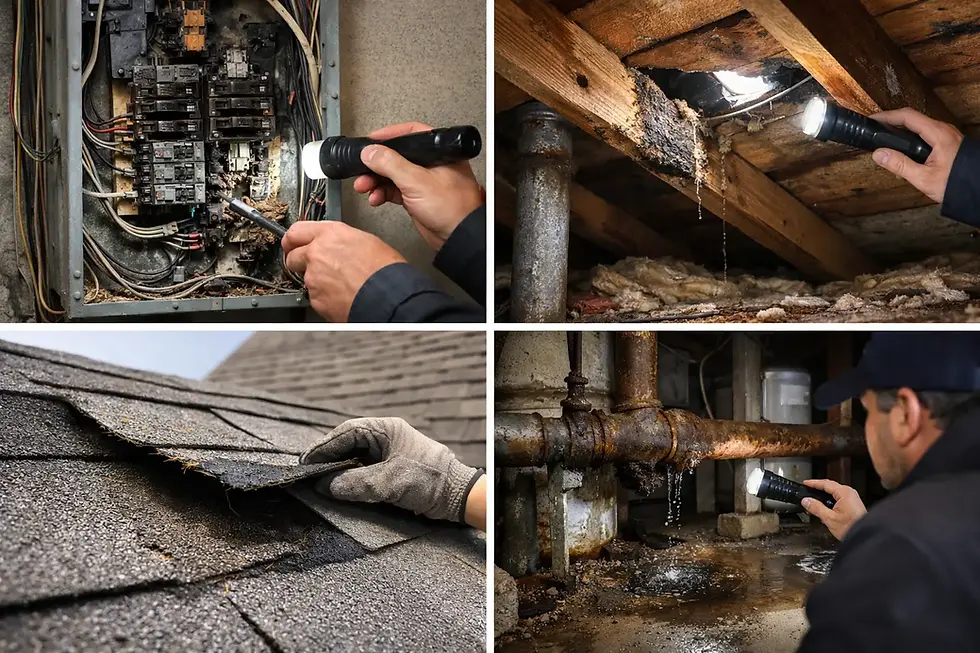
Roofing deserves close attention, especially in Atlantic County and Cape May County properties where wind-driven rain and salt-air exposure can shorten material life. Inspectors often see patchwork repairs around penetrations, aging flashing, and gutter discharge problems that push water back toward foundations. In a multi-unit building, poor drainage does not just affect one tenant. It can lead to wall staining, crawlspace moisture, settlement concerns, and repeated interior repairs in several units.
Electrical service is another area where small oversights can become big liability. In older properties, it is common to find a mix of original wiring, later additions, and panel changes done at different times. The key question is not just whether power is on and outlets work. The question is whether the service, panel configuration, grounding, and branch wiring appear appropriate for how the building is currently divided and used. Added kitchens, laundry hookups, and window AC loads can strain older systems.
Plumbing should be read vertically as well as by unit. In stacked floor plans, a leak at an upper tub drain or supply line may show up as staining, soft finishes, or microbial growth in the unit below. We often tell clients to pay attention to wet walls, not just wet fixtures. Repaired ceiling sections, swollen trim, or recurring caulk and paint touch-ups can indicate a history of leakage that deserves a closer look.
Unit-by-unit inspection tips for apartments, duplexes, and rentals
A good inspection of a multi-unit property still needs a unit-by-unit mindset. Shared systems matter, but tenant safety and livability issues usually show up inside the individual spaces.
Kitchens and bathrooms usually tell the story first. These are the areas where repeated moisture, worn finishes, and active plumbing use expose hidden problems. Loose toilets, failed tub surrounds, cabinet base damage under sinks, and unprotected electrical receptacles are common findings. If one unit shows these issues and another has newer finishes covering the same locations, it is worth asking whether the building has had recurring problems that were patched instead of fully corrected.
Windows and exterior doors are another high-value checkpoint, especially in shore properties. Salt air, wind exposure, and seasonal vacancy can accelerate frame deterioration, broken seals, sticking operation, and failed perimeter sealing. In rental properties, damaged or painted-shut windows also raise safety concerns if emergency egress is affected.
Heating and cooling conditions can vary sharply from one unit to the next. A buyer should not assume that because one unit feels comfortable, all units are operating the same way. Filters, thermostat response, age of equipment, visible corrosion, and signs of amateur repairs all matter. Where systems are older, inspection findings often help identify whether replacement planning should be part of the investment decision, even if the equipment still runs on the inspection date.
Floor slope, cracked finishes, and door misalignment should also be read in context. One sticky interior door may be a wear issue. The same pattern in several units along one side of the building may suggest settlement, framing movement, or long-term moisture impact below.
Pay attention to basements, crawlspaces, and utility areas
In South Jersey, crawlspaces and basements often explain what is happening upstairs. Chronic moisture below the building can affect insulation, framing, air quality, and floor structure. It can also create conditions for wood deterioration and visible humidity-related damage inside occupied units.
This is especially true in older Atlantic County properties and seasonal shore homes converted to year-round use. We regularly see damp crawlspaces, missing vapor barriers, rusted components, and evidence of drainage problems that tenants may never report clearly. The interior symptom might be musty odor, uneven floors, or recurring staining. The source is often underneath.
Utility areas deserve the same level of attention. Shared laundry spaces, water heater locations, service panels, and boiler rooms can reveal deferred maintenance faster than finished living areas do. Rust, active leaks, missing covers, unsafe storage near equipment, or improvised venting are all signs that management and upkeep may be less consistent than the rent roll suggests.
Tenant occupancy changes what an inspector can observe
Occupied multi-unit properties always require a little more judgment. Some units are clean and easy to inspect. Others have heavy storage, furniture against walls, pets, or conditions that limit visibility. That does not make the inspection less useful, but it does mean the report should be read with those limitations in mind.
This is one of the most practical multi-unit property inspection tips for buyers and agents. If occupancy prevents normal viewing of key areas, do not assume no visible defect means no defect exists. It means the observation was limited. In a transaction, that distinction matters.
It also helps to compare findings against the age and style of the building. An older duplex with a few worn finishes is one thing. Multiple inaccessible areas, strong odor, active moisture staining, and inconsistent updates across units usually point to a property that needs more than minor cleanup between tenants.
What investors and buyers should ask after the inspection
The inspection report on a multi-unit property should help answer a few direct questions. Are the issues isolated or repeated? Do they affect safety, water management, structure, or major systems? Are the visible conditions consistent with normal age, or do they suggest a longer pattern of deferred maintenance?
Those questions are often more useful than asking whether the building passed or failed. Properties do not really work that way. A duplex can be serviceable and still need substantial correction in electrical safety, drainage, or moisture control. A cleaner-looking property can also hide more risk than a visibly dated one if recent cosmetic work masks older defects.
For that reason, reports on multi-unit buildings need clear documentation and fast turnaround. Buyers, investors, and real estate professionals usually have to make decisions quickly, especially when several units, leases, and repair responsibilities are involved. A licensed South Jersey home inspector who is used to older housing stock, coastal moisture conditions, and mixed-condition occupancy can provide much more useful context than a generic checklist approach.
At Next Day Property Inspections, that practical context is what clients usually need most - not alarm, not guesswork, just a clear read on where the building stands and what deserves attention first.
If you are evaluating a multi-unit property, look past the rent potential long enough to study the repeating patterns. One bad unit can be repaired. A repeated building-wide issue is where the real decision starts.