Why Buyers Are Choosing Independent Third-Party Home Inspections in NJ
- Eric Price
- May 26
- 5 min read
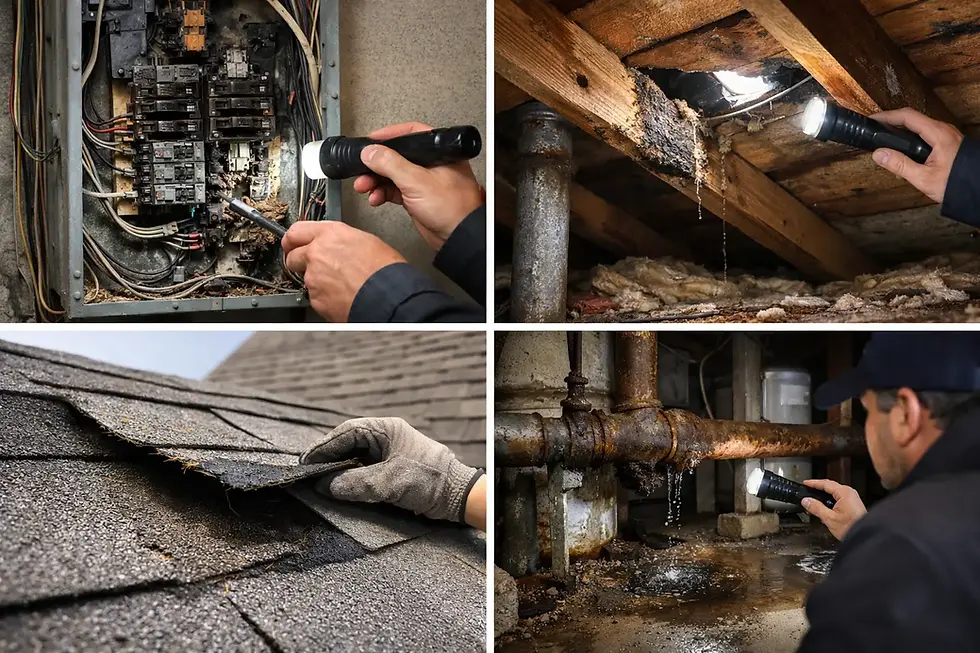
A house can look clean at a showing and still have a wet crawlspace, active roof wear, hidden moisture at a shore-facing wall, or unsafe electrical work in the panel. That gap between appearance and actual condition is a big reason why buyers are choosing independent third-party home inspections in NJ, especially when they want clear answers before moving forward.
In South Jersey, that decision usually comes down to trust. Buyers are not just looking for someone to confirm that the deal can keep moving. They want an inspector whose job is to document what is there, explain what matters, and separate routine aging from defects that could affect safety, cost, or negotiations.
Why buyers are choosing independent third-party home inspections in NJ
The word independent matters more than most buyers realize at first. A truly third-party inspection gives the buyer a more neutral view of the property condition. The inspector is there to observe and report, not to protect the seller's timeline, smooth over concerns, or minimize findings to avoid friction in the transaction.
That does not mean every issue is a deal breaker. Most homes, even solid ones, have defects. The value of an independent inspection is that it puts those defects in context. A worn GFCI outlet in a bathroom is one thing. Repeated moisture staining around a roof penetration, fungal growth in a crawlspace, and elevated humidity in an enclosed area point to a larger pattern. Buyers need someone who can tell the difference.
In practice, this is where many clients feel the most relief. They are not getting vague reassurance. They are getting a direct explanation of what was observed, what appears typical for the age and style of the home, and what deserves further evaluation or repair before closing.
NJ buyers want clearer reporting, not softer reporting
A lot of buyers in New Jersey are walking into older housing stock. That includes shore properties exposed to salt air, inland homes with long-term drainage issues, and houses that have gone through multiple rounds of updates by different owners over the years. On paper, a listing may say renovated. On site, the inspection may show newer finishes covering older conditions.
Clear reporting matters because buyers are making decisions quickly. If the report is too general, it does not help. If it overreaches, it creates confusion. The best independent home inspections explain the observed condition in plain language and back it up with photos, location details, and a practical description of why the issue matters.
That is especially important when the defects are not dramatic but still significant. We often see crawlspaces with marginal ventilation, damaged vapor barriers, signs of prior moisture intrusion, or insulation that has been displaced over time. None of those issues look urgent in a listing photo. Together, they can tell a very different story about the home's condition and future repair needs.
South Jersey conditions make independence even more important
South Jersey homes have patterns that out-of-area advice often misses. In Atlantic County and Cape May County, coastal moisture conditions and salt-air exposure can accelerate wear on exterior materials, fasteners, roof components, and some HVAC equipment. Seasonal and shore properties can also show a different wear pattern than year-round occupied homes.
That does not mean every shore home is a problem. It means the inspection needs to account for the environment the house has been sitting in for years. Moisture intrusion at windows, movement around decks and stairs, soft spots at exterior trim, rusted hardware, and humid crawlspaces are all conditions that need careful, experienced observation.
In older inland neighborhoods, a different set of issues tends to show up. Grading that directs water toward the foundation, aging service panels, patched roof coverings, active basement seepage, and layered repairs from different decades are common. A buyer hiring a South Jersey home inspector is usually looking for someone who has seen these patterns repeatedly and can explain what is typical and what is not.
Independent does not mean alarmist
Some buyers worry that an independent inspection will turn every defect into a major problem. That is not what a good inspection should do. The goal is accuracy, not drama.
A straightforward inspector should be able to say that a home has expected age-related wear without minimizing legitimate concerns. For example, an older roof near the end of its service life is not the same thing as an actively leaking roof. A foundation crack may be cosmetic, or it may show movement patterns that deserve further review. A bathroom exhaust fan venting into the attic is common in older homes, but it still creates moisture concerns that should be addressed.
That kind of balanced explanation is exactly why many buyers prefer independent home inspections. They want findings they can use, not exaggerated language that clouds the decision.
Buyers are paying closer attention to hidden moisture and air quality concerns
One of the biggest shifts in recent years is how many buyers now ask detailed questions about moisture, mold-like conditions, and indoor air concerns. In this market, people are less willing to assume that fresh paint solved the problem.
This is particularly relevant in homes with crawlspaces, finished lower levels, older window assemblies, or signs of prior water entry. South Jersey humidity can magnify small building envelope problems. A house may not show active water on the inspection day, yet still reveal staining, microbial growth patterns, elevated moisture readings, or conditions that support recurring dampness.
That is where a detailed third-party inspection becomes useful beyond the standard checklist. It helps buyers understand whether they are seeing an isolated issue or a repeating moisture pattern. For many clients, that difference affects whether they move forward confidently, ask for repairs, or bring in a specialized follow-up evaluation.
Why real estate investors and repeat buyers are making the same choice
This is not just a first-time buyer trend. Experienced buyers and investors often lean even more heavily on independent inspections because they know how costly missed conditions can become after closing.
An investor looking at a duplex may be less concerned about cosmetic wear and more focused on deferred maintenance, structural movement, electrical safety, roof age, and moisture entry points. A repeat buyer may move faster through the cosmetic side of the walkthrough and spend more time asking about attic conditions, foundation performance, and the history suggested by visible repairs.
These buyers usually do not want a polished overview. They want a report that helps them gauge risk and prioritize next steps. That is why the demand for independent home inspections continues to hold up across different buyer types.
The report turnaround matters, but only if the inspection is thorough
Fast reporting has become more important, especially when inspection contingencies move quickly. But speed only helps if the inspection itself is complete. Buyers should not have to choose between a same-day report and a careful evaluation.
A thorough home inspection in South Jersey should reflect actual field conditions, not boilerplate language pasted into a template. If there is widespread wood rot at exterior trim, high moisture at a basement wall, rust and condensation at HVAC components, or evidence of prior repairs in the attic, the report should show that clearly.
That is one reason buyers continue to work with inspectors known for detailed digital reports and clear communication. They want enough information to have an informed conversation with their attorney, agent, contractor, or specialist without waiting days for basic answers.
What buyers are really looking for
At the end of the day, most buyers are not searching for perfection. They are searching for a reliable picture of the house they are about to own.
That is why buyers are choosing independent third-party home inspections in NJ. They want less sales pressure, more direct communication, and reporting that reflects the actual property condition. In a region where moisture, aging materials, crawlspace issues, and shore exposure can change the story of a home, independence gives the buyer a better chance of seeing that story clearly.
For anyone purchasing in South Jersey, the right inspection is not the one that feels the easiest in the moment. It is the one that leaves you with fewer unanswered questions when the walkthrough is over.