Pre-Listing Inspections: What Sellers Should Know
- Eric Price
- May 28
- 6 min read
A deal can start falling apart before the buyer even finishes reading the inspection report. That is why pre-listing inspections: what sellers should know is less about checking a box and more about avoiding surprises that slow negotiations, trigger credits, or send a buyer looking at the next house.
For sellers in South Jersey, the value of a pre-listing inspection is usually straightforward. You get a clearer picture of the property’s condition before the home hits the market, while there is still time to make decisions on your terms. In older Atlantic County homes, shore properties with salt-air exposure, and houses with damp crawlspaces or long-term drainage issues, that early look can change the entire listing strategy.
What a pre-listing inspection actually does
A pre-listing inspection is a standard home inspection ordered by the seller before a buyer is involved. The goal is not to make the house look perfect. The goal is to identify material issues, deferred maintenance, and visible defects that a buyer’s inspector is likely to report later.
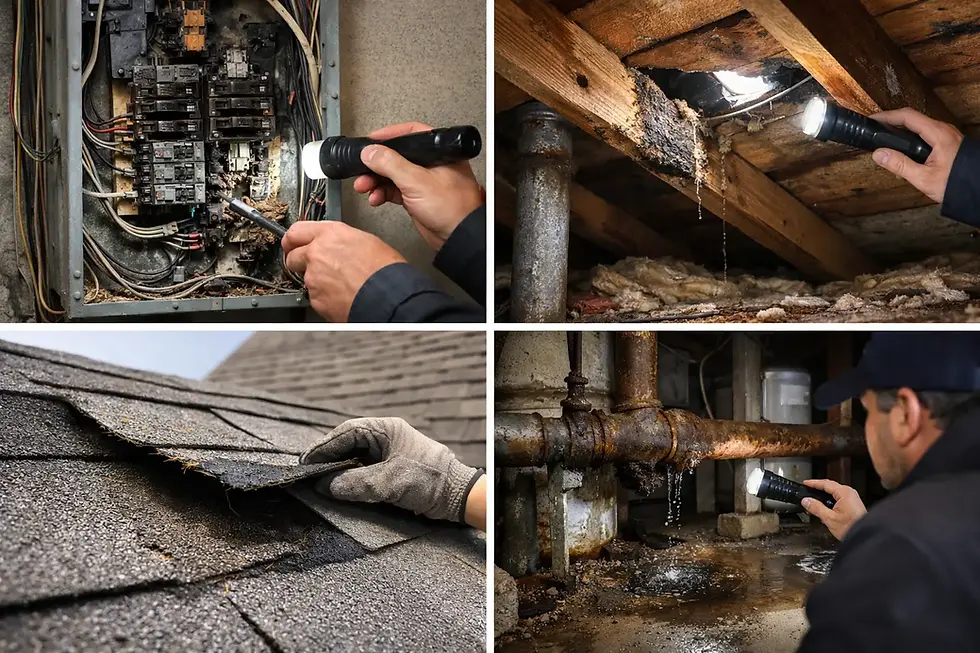
That matters because most transaction problems do not come from one dramatic defect. More often, it is a stack of smaller findings that changes the buyer’s confidence. A leaking window, an active roof issue, loose handrails, moisture in the crawlspace, and an aging electrical panel can turn a routine inspection into a difficult negotiation.
When sellers know about those items ahead of time, they can decide whether to repair them, disclose them, or simply price and market the property accordingly. That is a much better position than learning about everything at once after the home is under contract.
Why pre-listing inspections matter in South Jersey
In this area, houses tend to show patterns. Coastal moisture conditions, high humidity, aging roofing materials, older electrical components, and wet crawlspaces come up often. In Cape May County and other shore-adjacent locations, salt-air exposure can accelerate wear on exterior components, metal fixtures, and some HVAC equipment. In older neighborhoods across Atlantic and Cumberland Counties, it is not unusual to find layered repairs, outdated wiring methods, or long-term settlement and drainage concerns.
These are not automatic deal-killers. But they are exactly the kind of issues that buyers notice when they are already nervous about making a major purchase. A pre-listing inspection gives sellers a realistic understanding of what another inspector is likely to see.
That is especially useful when a home has been occupied for years and the seller no longer notices gradual changes. Staining near a chimney, soft trim around a window, or a musty crawlspace odor may have become easy to overlook. On inspection day, those conditions stand out.
Pre-listing inspections: what sellers should know before they schedule one
First, the inspection report may identify more than you expected. That does not mean the house is in poor condition. Every home has findings, and older homes usually have more. The purpose is clarity, not perfection.
Second, not every item needs to be repaired before listing. That depends on the age of the home, the local market, the seriousness of the issue, and whether the condition affects safety, water intrusion, structure, or major systems. Sellers sometimes assume they need to fix every note in the report. In practice, the smarter move is usually to focus on defects that are likely to create concern for most buyers.
Third, documentation matters. If repairs are made, clear records help. When a buyer sees that a roof leak was evaluated and addressed, or that unsafe electrical conditions were corrected, the conversation tends to go better.
Common findings that affect listing strategy
Some inspection findings carry more weight than others because they raise immediate questions about cost, safety, or hidden damage. In South Jersey homes, a few categories show up repeatedly.
Moisture and drainage problems
Moisture is one of the biggest issues behind difficult transactions. It may show up as staining, elevated moisture readings, fungal growth, insulation damage, wood deterioration, or heavy humidity in a crawlspace. Sometimes the source is obvious, such as poor grading or a failing gutter discharge setup. Other times it points to a longer pattern of water intrusion.
For sellers, moisture issues are worth taking seriously before listing because buyers often assume hidden damage when they see visible signs. Even when the condition is manageable, the appearance of dampness can create outsized concern.
Roofing defects and flashing problems
Roof coverings do not need to be new to sell a house, but active leakage, damaged shingles, failed flashing, and visible repairs around penetrations tend to draw attention quickly. On shore homes and exposed properties, wind and salt-air wear can also shorten the service life of materials.
A pre-listing inspection helps separate an older-but-serviceable roof from one that is likely to become a negotiation point. That distinction matters.
Electrical safety concerns
Missing cover plates, double-tapped breakers, improper wiring at service panels, open junction boxes, and outdated components are common findings. These conditions may have existed for years without obvious symptoms, but buyers and agents tend to react strongly to electrical issues because the safety risk is easier to understand.
When sellers identify those defects early, they can decide whether correction makes sense before the house goes active.
HVAC and water heater age or performance issues
Older systems do not automatically need replacement. But if heating or cooling equipment is near the end of its expected service life, showing signs of poor maintenance, or not operating as intended, buyers will usually factor that into negotiations.
The same goes for water heaters. A unit may still function, but age, leakage, rust, or improper venting can make it a concern during escrow.
Crawlspace conditions
In South Jersey, crawlspaces deserve attention. We routinely see high moisture, damaged insulation, wood rot, vapor barrier issues, and signs of poor ventilation or standing water. Sellers are often surprised by how much a buyer cares about a crawlspace once it is documented in a report.
If the home has one, it is smart to understand what is happening underneath before listing.
Should sellers make repairs before listing?
It depends on the type of finding and the sales strategy. If the inspection reveals active water intrusion, unsafe electrical defects, structural concerns, or a roofing issue that is still allowing moisture in, those are often worth addressing early. They are the kind of defects that can reduce buyer confidence fast.
On the other hand, older windows with failed seals, an aging but functional furnace, or worn exterior materials may be better handled through pricing and disclosure rather than rushing into pre-listing work. Not every condition produces a strong return when repaired before market.
The practical question is this: will the defect create fear, financing trouble, or repeated inspection objections from multiple buyers? If yes, fixing it ahead of time may save time and preserve leverage. If not, full disclosure and realistic expectations may be enough.
How a pre-listing inspection helps real estate agents and investors
For agents, a pre-listing inspection can make the transaction cleaner. It helps set expectations, reduces the chance of last-minute surprises, and gives the listing side a more accurate sense of the home’s condition. That can be especially useful with inherited properties, long-vacant homes, or houses where the seller has limited knowledge of past repairs.
For investors, the benefit is speed and clarity. If a property is being sold after renovation or as part of a portfolio decision, a pre-listing inspection can help identify visible conditions that may undercut the marketing plan. It is easier to address concerns before photos, showings, and contract deadlines start stacking up.
What to expect from the report
A good pre-listing report should read clearly and reflect actual observed conditions, not vague language or unnecessary alarm. Sellers need to know what is material, what is routine, and what may require further evaluation. Same-day reporting is also helpful because it allows decisions to be made quickly if the listing timeline is tight.
That level of detail matters because sellers are not just collecting information. They are deciding how to move forward with repairs, disclosures, and negotiations. An inspection is most useful when it supports that decision-making, not when it buries the important issues under generic language.
Choosing the right timing
The best time for a pre-listing inspection is before the house is photographed and before the listing goes live. That gives the seller room to make repairs if needed and avoids marketing a home as move-in ready when visible defects are likely to surface immediately.
If the home has been a seasonal property, vacant for stretches, or exposed to shore weather, scheduling the inspection before listing is even more valuable. Those homes can develop issues that are not obvious during casual occupancy, especially around moisture, HVAC operation, and exterior wear.
For sellers working with a licensed South Jersey home inspector, the real advantage is not just getting a report. It is getting a realistic read on what buyers are likely to question once the transaction starts moving.
The strongest listings are not always the ones with the newest finishes. They are often the ones where the seller understands the house, addresses the right issues, and enters negotiations without guessing. That kind of preparation shows up in the transaction, and buyers notice it.