How to Pass a Home Inspection Without Surprises
- Eric Price
- Aug 2
- 6 min read
A home inspection is not a test with a simple pass or fail grade. Still, sellers regularly ask how to pass a home inspection because they want to avoid findings that delay a sale, lead to renegotiation, or concern a buyer unnecessarily. The practical goal is different: make the property accessible, disclose known conditions, and address material safety or functional issues before the inspector arrives.
In South Jersey, that preparation matters most in homes with crawlspaces, older mechanical systems, shore-area moisture exposure, or deferred work that has accumulated over time. A clean house is helpful, but it does not change the condition of the roof, electrical system, structure, plumbing, or heating equipment. A well-prepared house lets those components be evaluated clearly and prevents small, avoidable issues from becoming larger questions.
What Passing a Home Inspection Really Means
A professional inspector documents visible and accessible conditions at the time of the inspection. The report may identify defects, safety concerns, maintenance issues, and systems nearing the end of their expected service life. Nearly every home, including newer construction, has findings. That alone does not mean the transaction is in trouble.
For a seller, a successful inspection is one where the buyer receives a clear picture of the home without surprises caused by blocked access, inoperable utilities, missing documentation, or undisclosed water history. For a buyer, the best result is an independent inspection that explains what is present, what needs attention, and what may require further evaluation.
The distinction is especially useful in Atlantic County and Cape May County properties. A home can be well maintained and still show normal coastal wear, such as exterior corrosion, elevated crawlspace moisture, aging deck components, or drainage patterns affected by flat terrain. The issue is not whether a home is perfect. It is whether its condition is understood.
How to Pass a Home Inspection: Start With Access
The most preventable inspection problems involve areas that cannot be reached or systems that cannot be operated. Inspectors need reasonable access to the electrical panel, attic entry, crawlspace entrance, water heater, heating and cooling equipment, plumbing fixtures, garage, and exterior areas around the foundation.
Before the appointment, clear stored items away from electrical panels, furnace rooms, attic hatches, crawlspace doors, and the water heater. If a basement or garage has been used heavily for storage, this step often makes the difference between a complete inspection and a report with access limitations. An inspector should not move personal belongings, climb over stored material, or force access to concealed areas.
Utilities should be on and systems should be available for normal operation. If water, gas, electric service, or fuel is shut off, the inspection cannot fully evaluate affected components. The same applies to locked outbuildings, detached garages, pool equipment, and seasonal shore-home systems that have been winterized. When a system is not available, it is typically reported as not tested rather than assumed to be satisfactory.
Access also includes pets. Secure dogs and other animals before the inspection. This protects everyone and allows the inspector to examine the full exterior, garage, basement, and yard without interruption.
Address Conditions That Raise Legitimate Concern
Sellers do not need to chase every minor cosmetic issue before listing. However, visible conditions tied to safety, moisture, or active system performance deserve attention because they are likely to be documented and may affect buyer confidence.
Moisture, drainage, and crawlspaces
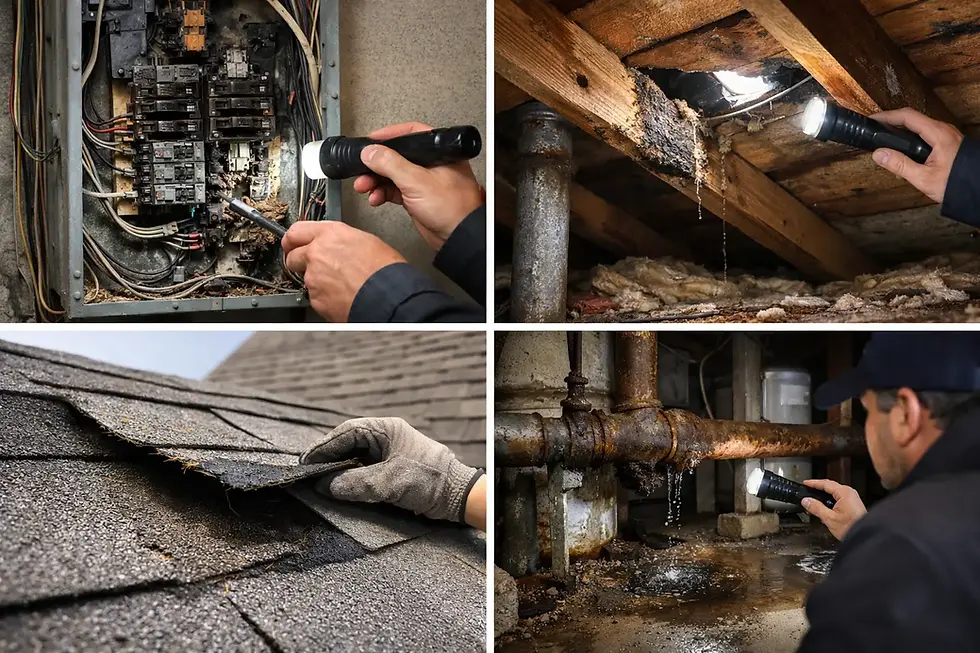
Moisture is one of the most common themes in South Jersey inspections. In shore homes and low-lying neighborhoods, humidity, salt-air exposure, high water tables, and seasonal occupancy can all affect crawlspaces and lower levels. Inspectors often find moisture staining, fungal-like growth, damaged vapor barriers, standing water, deteriorated insulation, or evidence that exterior drainage is directing water toward the structure.
A seller should not cover staining or use a quick cosmetic treatment to make a problem less visible. That usually creates more concern when the underlying source remains apparent. If there has been a leak, flooding event, sump pump issue, or crawlspace water problem, provide accurate information about what occurred and what was done. Clear documentation is more useful than a vague explanation after a buyer finds evidence of prior moisture.
Electrical safety items
Older housing stock across South Jersey often includes electrical updates completed at different times. It is common to see older panels, open junction boxes, missing cover plates, exposed wiring, double-tapped breakers, or receptacles that lack required protection in wet locations. Not every older electrical component is automatically unsafe, but visible deficiencies will be noted.
If an electrical concern is already known, having it evaluated before listing can prevent uncertainty during the inspection period. Sellers should avoid presenting a recent paint job or finished basement as proof that electrical work behind walls is acceptable. An inspection looks at visible conditions, and a qualified electrical evaluation may be appropriate when a concern is identified.
Heating, cooling, plumbing, and water heaters
Inspectors operate systems within normal inspection standards, but they do not predict exactly when equipment will fail. An older furnace or air conditioner may be functioning properly on inspection day while still being near the end of its typical service life. That is not a failed inspection. It is useful information for a buyer planning future ownership costs.
More concerning are active leaks, missing safety components, unusual equipment operation, corrosion, damaged venting, or plumbing fixtures that do not function as intended. In vacant or seasonal properties, water stains and inactive equipment can be difficult to interpret without context. Provide service records, recent invoices, and any relevant warranties when available. Records do not replace an inspection, but they help establish the history of a system.
Do Not Hide Known Defects
Trying to conceal a condition is one of the fastest ways to turn an ordinary inspection finding into a trust issue. Fresh paint over water staining, furniture placed in front of damaged walls, locked doors to problem areas, or dehumidifiers running in an otherwise damp crawlspace may prompt additional questions. The same is true when a roof leak, mold concern, termite history, or plumbing backup is known but not disclosed.
A home inspection is visual and noninvasive. Inspectors do not open walls or dismantle systems, but experience often reveals patterns that deserve further attention. Thermal imaging may show temperature differences associated with moisture or insulation gaps. A termite or wood-destroying insect inspection may identify conditions conducive to activity. A sewer camera inspection can clarify the condition of an older lateral line when the home has recurring drainage history or mature trees near the route.
The right approach depends on the condition. Some concerns can be resolved with documentation of a completed professional evaluation or repair. Others should simply be disclosed and priced into the transaction. What matters is giving buyers accurate information rather than forcing them to discover it on their own.
Prepare the Paper Trail, Not Just the Property
A short file of relevant records can make the inspection and negotiation process more efficient. This is particularly helpful for homes with recent roof replacement, HVAC work, foundation drainage improvements, well or septic service, solar equipment, or previous moisture remediation.
Useful records may include permits, paid invoices, transferable warranties, service reports, receipts for major replacements, and documentation of prior treatment for wood-destroying insects. If the property has a septic system, private well, sump pump, or oil-fired equipment, those details should be available to the buyer and inspector. For a seasonal property, explain how it is winterized and when systems were last operated.
Documentation should be factual. Avoid making assurances that a system has no issues unless there is current professional evidence supporting that statement. A seller is better served by saying a system was serviced on a specific date than by making a broad claim that it is problem-free.
Set Realistic Expectations Before the Report Arrives
A detailed report can look intimidating because it captures many observations in one place. Buyers should separate immediate safety issues, active defects, and larger expenses from routine maintenance items and normal aging. Sellers should expect buyers to ask questions, especially when the home has an older roof, older mechanical equipment, a crawlspace, or signs of prior water intrusion.
Real estate professionals can help keep the conversation focused on material findings rather than treating every note as a deal breaker. The inspector's role is to describe conditions clearly, not to determine what either party should concede. A thorough report gives both sides a common factual starting point.
For buyers, attendance at least during the final portion of the inspection is valuable when possible. Seeing a condition in person often provides better context than reading a report alone. For sellers, leaving the property during the inspection is usually best, while remaining reachable for access questions.
A well-prepared property does not need to appear flawless. It needs to be accessible, honestly represented, and ready for a clear evaluation. That gives the next owner fewer unknowns and gives everyone involved a more productive path toward closing.