Atlantic County Sewer Scope: What It Can Reveal
A slow drain during a showing may be easy to dismiss. A camera view of the buried line can show whether that drain is connected to a serviceable sewer lateral or a pipe with roots, scale buildup, a separation, or a low area holding waste. An Atlantic County sewer scope gives buyers and property owners information that is simply not visible during a standard home inspection.
The sewer line is one of the few major systems that leaves the house underground. Its condition can affect a purchase decision, repair negotiations, and the timing of further evaluation. For South Jersey homes, particularly older properties and shore-area houses with a mix of original and updated plumbing, a sewer camera inspection is often a practical addition to the inspection process.
What an Atlantic County Sewer Scope Examines
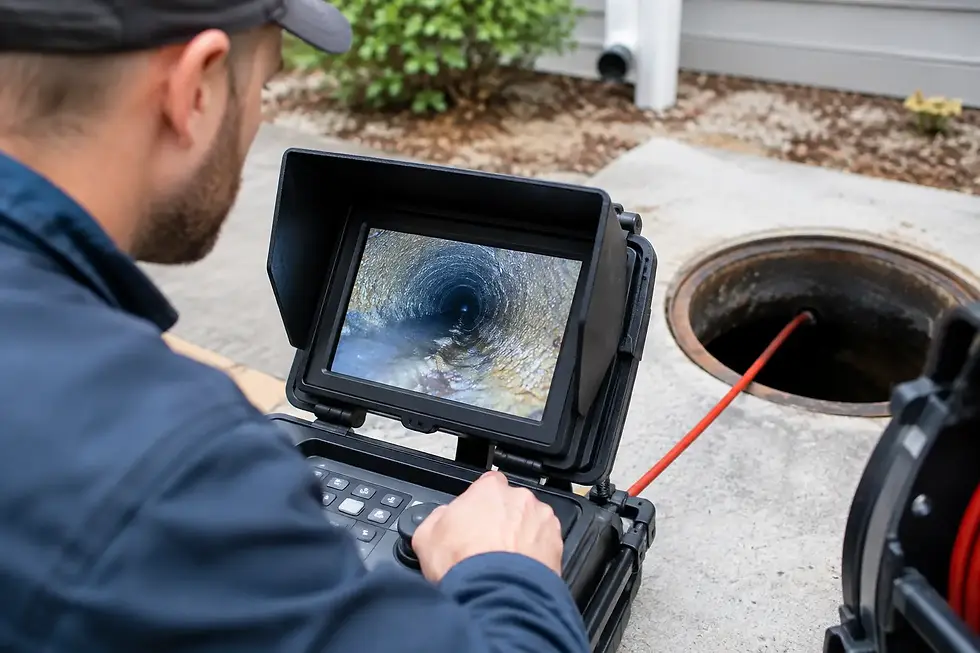
A sewer scope inspection uses a specialized camera that is inserted through an accessible cleanout or another suitable point in the drain system. The camera travels through the building drain and, when accessible, the sewer lateral leading toward the public connection or private septic component. The inspection provides a recorded visual evaluation of the inside of the pipe.
This is different from running water at sinks, tubs, and toilets during a home inspection. Fixture testing helps identify obvious drainage concerns inside the home, but it does not provide a view of the underground line. A line can appear to drain normally on inspection day while still having root intrusion, deteriorated pipe walls, or an offset joint that may cause recurring backups.
The scope also has limits. Cameras cannot see through standing water, heavy debris, or a complete blockage. They do not determine the exact condition of pipe exterior surfaces, confirm every buried connection, or replace repair estimates from a qualified drain contractor. A clear explanation of what the camera reached, what it showed, and what remained unviewable matters as much as the video itself.
Why Local Properties Deserve a Closer Look
Atlantic County has a broad mix of housing. There are older inland homes with original or aging drainage materials, renovated properties where new interior plumbing connects to older underground piping, and seasonal or shore homes exposed to coastal moisture and salt-air conditions. The sewer lateral beneath the yard may be much older than the kitchen or bathroom visible to a buyer.
Tree roots are a common finding where older pipe joints provide a path into the line. Roots do not need a large opening. Once they reach moisture inside a pipe, they can expand and catch paper, grease, and other debris. A small amount of fine root intrusion may call for monitoring or drain cleaning. Heavy roots, recurring buildup, or a pipe that cannot be fully viewed warrants further evaluation before the end of a real estate contingency period.
Crawlspaces can add another layer of uncertainty. In some South Jersey homes, portions of the drain system are visible below the structure while the main line quickly disappears below grade. A home inspection can document visible pipe materials and active leakage in the crawlspace, but the buried run still needs a camera inspection if a buyer wants a clearer picture of its condition.
Drainage and ground movement can also affect underground piping. Settlement, prior excavation, and changes around the property can contribute to misaligned sections. This is why a sewer scope is useful even when the interior plumbing appears recently updated.
Conditions Commonly Found on Sewer Camera Inspections
The findings from a sewer scope vary widely. Some lines are clean, properly aligned, and drain to the accessible termination point without concern. Others show conditions that range from routine maintenance issues to defects requiring prompt contractor review.
Root Intrusion
Roots often appear at joints, cracks, or transitions between pipe materials. The camera may show thin strands, a dense mass, or a section where roots and debris limit the camera's movement. The key question is not simply whether roots are present. It is how much of the pipe they occupy, whether water is ponding behind them, and whether the underlying opening suggests damaged or separated piping.
Cast Iron Deterioration and Scale
Older cast iron can develop internal corrosion, rough scaling, and flaking material. The opening inside the pipe may become smaller over time, even when the exterior pipe looks intact where it is visible. In camera footage, severe deterioration can resemble a rough, uneven tunnel rather than a smooth pipe wall.
A camera inspection cannot always determine the remaining thickness of cast iron. Still, visible scale buildup, advanced corrosion, or repeated restrictions are meaningful findings that should be reviewed by a drain professional. This is especially relevant in aging housing stock where plumbing updates may have stopped at the basement or crawlspace connection.
Offsets, Cracks, and Separated Joints
An offset occurs when two pipe sections are no longer aligned. Minor offsets may allow normal flow for years. Larger offsets can catch debris, allow root entry, or prevent the camera from moving farther down the line. Cracks and separated joints can create similar concerns, particularly if the line is holding water or showing soil intrusion.
The report should identify the visible condition and approximate location when possible. Exact depth and location generally require additional locating equipment or contractor evaluation, so clients should avoid treating camera footage as a repair plan by itself.
Bellies and Standing Water
A belly is a low section of pipe that retains water after the line has drained. Some standing water can be caused by normal camera movement or a temporary flow condition. A consistent pool that prevents a clear view of the pipe bottom may indicate a slope issue, settlement, or another condition worth reviewing.
Not every belly requires immediate replacement. The practical concern is whether it is associated with recurring backups, debris accumulation, poor flow, or pipe damage. That distinction helps buyers avoid both unnecessary alarm and the mistake of ignoring a developing problem.
Obstructions and Limited Access
Sometimes the camera stops at a blockage, a sharp turn, a collapsed section, or an inaccessible portion of the system. A limited inspection is still useful when it documents the point where progress ended and the apparent reason. It should not be described as a fully cleared sewer line.
A property may also lack an accessible cleanout. In that situation, the inspection approach depends on available access and the plumbing layout. For a purchase, this is worth discussing early rather than waiting until the final days before closing.
When a Sewer Scope Makes Sense Before Buying
A sewer camera inspection is especially worthwhile for homes with older drain piping, mature trees, evidence of past drain backups, recent drain cleaning, or renovations that do not clearly document the underground line. It also makes sense for investor purchases where the property history is limited and for homes that have been vacant or used seasonally.
Newer construction is not automatically exempt. Construction debris, poor alignment, damaged pipe during site work, and unexpected obstructions can occur in newer systems as well. The likelihood may be different, but the underground line remains outside the normal visual scope of a home inspection.
For real estate professionals, a sewer scope can bring clarity to a concern before it becomes a last-minute dispute. For buyers, it provides a documented basis for asking the right follow-up questions. For homeowners with recurring drain symptoms, it can help distinguish a simple interior drain issue from a problem farther out in the buried lateral.
What a Useful Sewer Scope Report Should Provide
A useful report does more than state that a camera was run. It should identify the accessible entry point, the visible pipe material when recognizable, the conditions observed, and whether the camera reached the accessible end of the line. Supporting images or video help clients and contractors understand the finding without relying on a vague description.
Next Day Property Inspections provides dedicated sewer camera inspections for buyers, homeowners, real estate professionals, and referrals from other inspection companies. The focus is straightforward: document visible underground sewer conditions, explain what they may mean, and identify when a qualified drain contractor should provide further evaluation.
A sewer scope does not need to turn every imperfection into a deal-breaker. It gives the buyer a view of a system that would otherwise remain an assumption. When the line is clear, that information is valuable. When the camera shows a concern, finding it before closing gives everyone a better chance to address it with facts rather than surprises.