Sewer Scope Inspection South Jersey for Homebuyers
A sewer scope inspection South Jersey buyers schedule before closing can answer a question a standard home inspection cannot: What condition is the underground line carrying waste from the house to the public sewer or septic connection? The fixtures may drain normally during a walkthrough, yet the buried piping can still have deterioration, root intrusion, separation, or a partial obstruction that is not visible from inside the home.
For buyers, investors, and real estate professionals, this is not a minor detail. A sewer line is an essential part of the property, and access for repair can involve finished floors, landscaping, driveways, sidewalks, or municipal connections. A camera inspection gives the buyer a documented look at accessible portions of that line before the transaction moves forward.
What a Sewer Scope Inspection Actually Evaluates
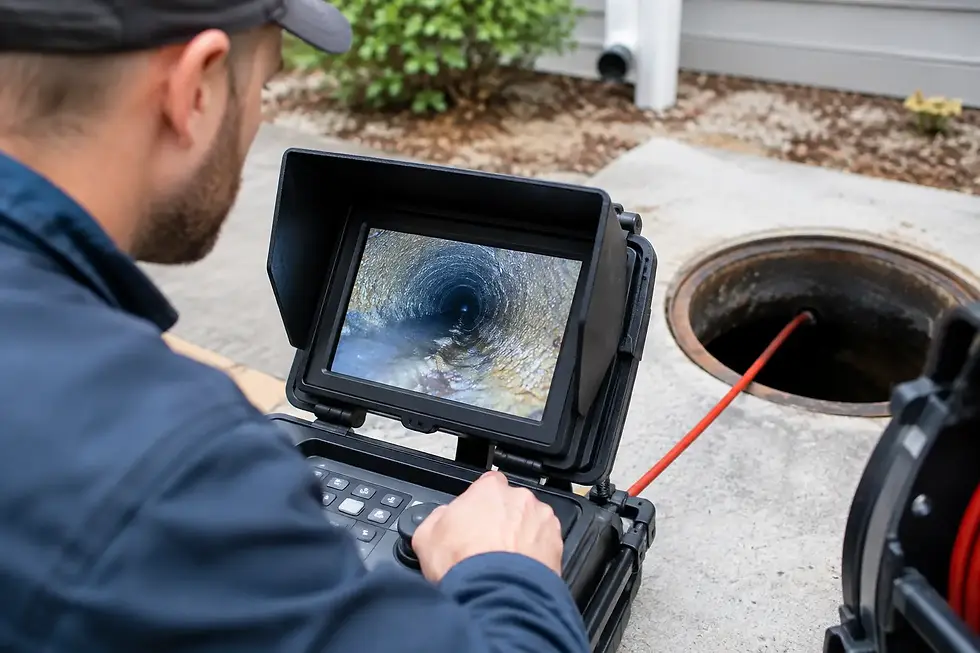
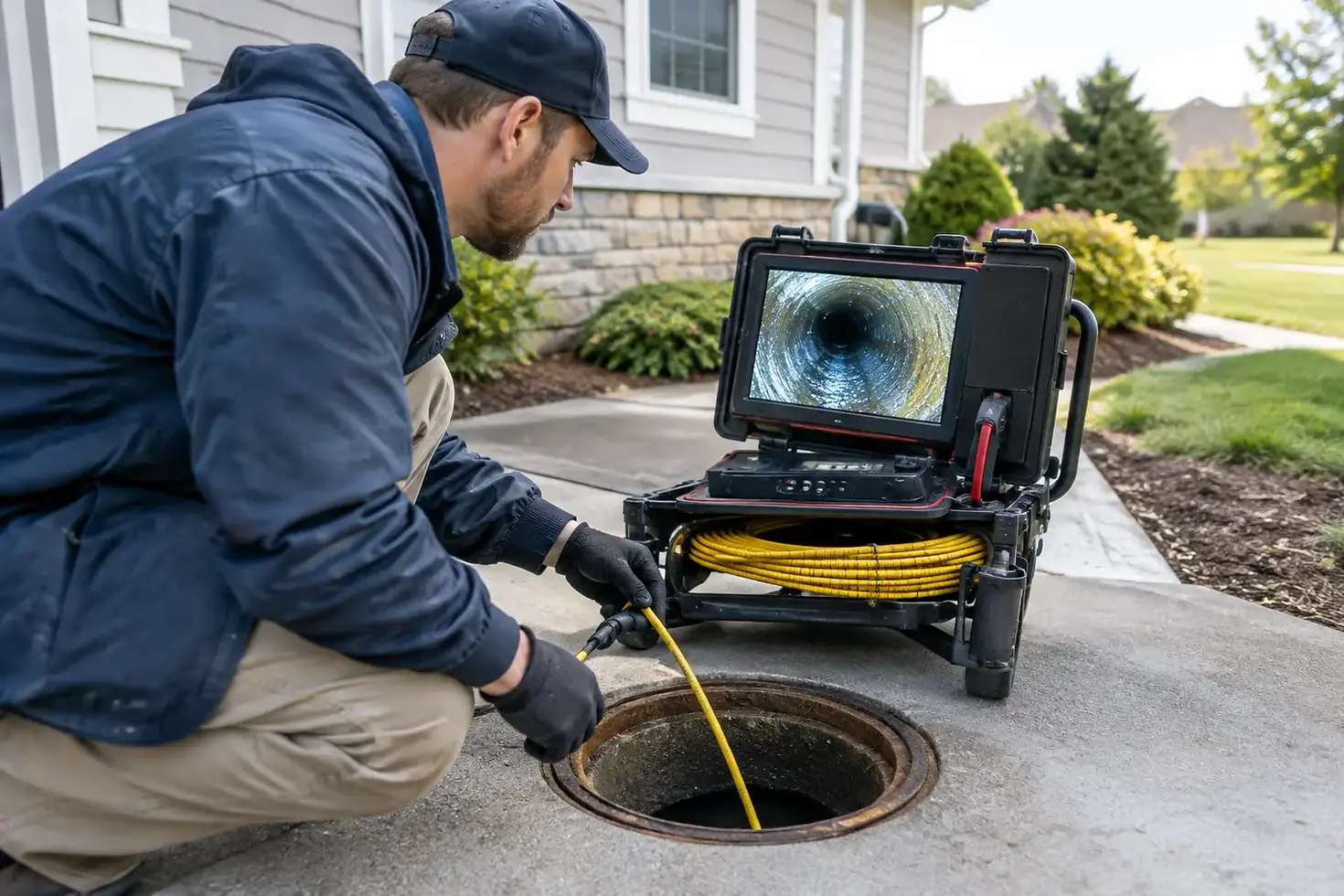
A sewer scope inspection uses a specialized camera attached to a flexible push rod. The camera is introduced through an accessible cleanout, or another appropriate access point when available, and advanced through the building sewer line. The live video allows the inspector to observe the interior condition of the pipe, identify visible defects, and note the approximate distance of significant findings.
The work is focused on the line itself, not just whether a sink happens to drain on inspection day. A line with a developing issue can still pass water during a short test. The camera can show why recurring backups, slow drainage, or settlement may become a larger concern later.
A scope is especially useful because much of the sewer line is below grade. During a home inspection in South Jersey, we can evaluate visible plumbing components and operate representative fixtures, but we cannot see through soil, slabs, crawlspace ground cover, patios, or paved areas. The camera fills in a meaningful gap in the overall property evaluation.
Common Sewer Line Conditions Found in South Jersey Homes
South Jersey housing includes older in-town properties, shore homes with seasonal use, mid-century neighborhoods, and newer construction. Pipe materials and site conditions vary widely from one property to the next. The age of the home alone does not determine the condition of the sewer line, but it can point to issues worth checking closely.
Root Intrusion at Pipe Joints
Roots often enter at joints, cracks, or separated connections where moisture is escaping from the pipe. On camera footage, this can appear as fine strands, a dense mass, or debris collecting around the intrusion. A line may still be open enough to drain, but roots can catch paper and waste, narrowing the passage over time.
This is a common finding around mature trees and older pipe connections. The key question is not simply whether roots are present. Buyers need to understand the extent of the intrusion, whether the pipe appears damaged or displaced, and whether the issue is isolated or repeats at multiple locations.
Cast Iron Deterioration
Older cast iron lines can deteriorate from the inside. The camera may show rough scaling, corrosion, flaking material, channeling along the bottom of the pipe, or heavy buildup that reduces the effective diameter. In some cases, the line is still functioning but has a noticeably rough interior that can contribute to recurring drainage problems.
We see this concern most often in aging housing stock, including properties that have had cosmetic renovations while original underground piping remains in place. A renovated kitchen or bathroom does not necessarily mean the sewer connection outside the foundation was replaced at the same time.
Offsets, Separations, and Settlement
An offset occurs when sections of pipe no longer line up properly. The camera may show a lip, gap, or step at a joint. This can result from ground movement, poor original installation, material transitions, or long-term settlement.
South Jersey soil conditions, drainage patterns, and changes around a property can all affect buried components. An offset does not always mean the line has failed, but it can create a point where waste and paper collect. The severity depends on how far the joint is displaced, whether flow is restricted, and whether the line shows related cracking or root entry.
Cracks, Breaks, and Obstructions
A camera can reveal cracked piping, open joints, collapsed areas, construction debris, foreign objects, or standing water within the line. Standing water deserves context. It may indicate a low section, commonly called a belly, or it may reflect a temporary flow condition depending on what occurred before the scope.
Not every dark area on a video is a major defect, and camera footage must be interpreted carefully. The inspection report should separate clear visible conditions from limitations such as debris, water, inaccessible sections, or a line that cannot be fully advanced.
Why Normal Drains Do Not Rule Out a Problem
A frequent misconception is that a sewer camera is unnecessary if toilets flush and sinks drain during the home inspection. Normal fixture operation is useful information, but it is only a limited performance check. A partial blockage or damaged joint may not cause a backup until the system receives heavier use.
This is particularly relevant for vacant homes, seasonal shore properties, and houses that have not been occupied at normal capacity. A lightly used system may not show symptoms during a brief inspection window. The camera provides visual information that fixture testing alone cannot provide.
For investment properties, a scope can also help distinguish between a simple interior drain concern and a condition farther out in the building sewer. That distinction matters when planning repairs, negotiating a transaction, or assessing the overall condition of an older property.
When a Sewer Camera Inspection Makes the Most Sense
A sewer scope is a sensible add-on for many home purchases, but it is particularly valuable when the home has older underground plumbing, large trees near the sewer route, a history of drain concerns, or an unknown sewer line age. It also deserves consideration when the property has an addition, a finished basement, a slab foundation, or extensive hardscaping that could complicate future access.
Buyers of coastal and near-coastal homes should not assume that a newer-looking property eliminates the need for a scope. Coastal moisture conditions, high groundwater in some areas, and seasonal occupancy can complicate drainage observations. The line material, connections, grade, and actual camera findings matter more than the appearance of the home above ground.
A dedicated inspection can also be appropriate when a buyer has already completed a general inspection but wants the underground line evaluated before the end of the contingency period. Homeowners with recurring backups or unexplained slow drainage may use a standalone scope to document visible conditions for the appropriate repair professional.
What a Thorough Report Should Give You
The useful outcome is not just video footage. Buyers need clear findings tied to the property and explained in practical terms. A proper report should identify the access point used, the portion of line viewed, visible pipe material when identifiable, notable defects, and any limitation that prevented a complete evaluation.
When a condition is found, the report should avoid guessing at repairs that cannot be confirmed from a camera alone. For example, a visible offset may warrant further evaluation by a qualified sewer contractor, but the camera does not always establish the exact depth, exterior location, or full extent of damage without additional locating or diagnostic work.
At Next Day Property Inspections LLC, sewer camera inspections are approached as part of a clear property-condition picture. Same-day digital reporting helps buyers and their agents review the findings while inspection and contract timelines are still active.
A Scope Is Valuable Because It Reduces Guesswork
No inspection can guarantee the future performance of an underground sewer line. Conditions can be concealed by water, debris, inaccessible cleanouts, or portions of pipe the camera cannot reach. A sewer scope also does not replace a licensed plumbing or sewer contractor when repairs or further diagnosis are needed.
Still, a documented view of accessible underground piping is far better than relying on assumptions. Before you make decisions around an older home, a renovated property, or a house with signs of drainage concerns, knowing what the camera can see gives you a more informed place to start.