Electrical Defects Found in South Jersey Homes
A receptacle that does not work, a flickering light, or an older electrical panel can look like a small item on an inspection report. Electrical defects are different because the visible symptom may be minor while the condition behind the wall, inside the panel, or at a connection point deserves further evaluation. For South Jersey buyers, this is especially relevant in homes that have been updated in stages over several decades.
A home inspection is not an electrical code inspection or a substitute for an electrician's diagnosis. It is a visual, non-invasive evaluation of accessible components. The goal is to identify observable conditions that affect safety, function, or further due diligence before the end of an inspection contingency.
Why electrical defects deserve close attention
Electrical systems are often altered as a property changes hands. A finished basement, kitchen renovation, added air conditioning, pool equipment, detached garage, or shore-home improvement can all introduce new circuits and connections. The work may be professionally completed, partially updated, or added without bringing the rest of the system up to current standards.
In Atlantic County properties and older housing stock throughout South Jersey, we frequently see a mix of original and newer equipment. A newer breaker panel does not automatically mean every branch circuit, outlet, junction box, and connection in the home is in the same condition. Conversely, an older component is not automatically unsafe. What matters is the condition observed, how the system is configured, and whether there are signs of improper installation, overheating, damage, or limited capacity.
Electrical findings also need context. One missing cover plate is usually a straightforward correction. Multiple open splices, active moisture near electrical equipment, damaged conductors, or evidence of overheating calls for more urgent attention from a qualified electrician. A clear inspection report helps buyers distinguish between those situations without overstating what can be determined visually.
Common electrical defects found during inspections
Improper wiring connections and exposed components
Open junction boxes, exposed wiring, missing knockouts at panels, and unsupported cables are common findings. Electrical connections need to be enclosed and protected. An open splice in an attic, crawlspace, basement, or garage leaves conductors more vulnerable to contact and damage.
Crawlspaces deserve particular attention in South Jersey homes. Damp soil conditions, seasonal groundwater, and limited access can affect wiring supports and junction boxes over time. If moisture staining, corrosion, or loose wiring is visible in a crawlspace, the finding is not merely cosmetic. It may point to conditions that should be evaluated together rather than treated as unrelated repairs.
Missing GFCI protection where it is expected
Ground-fault circuit interrupter, or GFCI, protection is intended to reduce shock risk in areas where electricity and moisture are likely to meet. During an inspection, accessible GFCI-protected outlets are tested where conditions allow, and the report may identify missing or inoperative protection at bathrooms, kitchens, garages, exterior locations, laundry areas, unfinished basements, and crawlspaces.
The exact requirement can depend on the age of the home, later alterations, and the applicable code at the time work was completed. From a buyer's perspective, the practical issue is simpler: a receptacle near a sink, outdoors, or in another damp location that lacks functional protection warrants review. Coastal moisture conditions and salt-air exposure can also accelerate deterioration at exterior outlets, covers, and disconnects.
Double-tapped breakers and overloaded panel conditions
A double-tapped breaker generally means more than one conductor is installed under a terminal designed for one. Some equipment is specifically listed for more than one conductor, but many breakers are not. This condition can lead to a loose connection or overheating and should be evaluated based on the breaker manufacturer's instructions and the panel configuration.
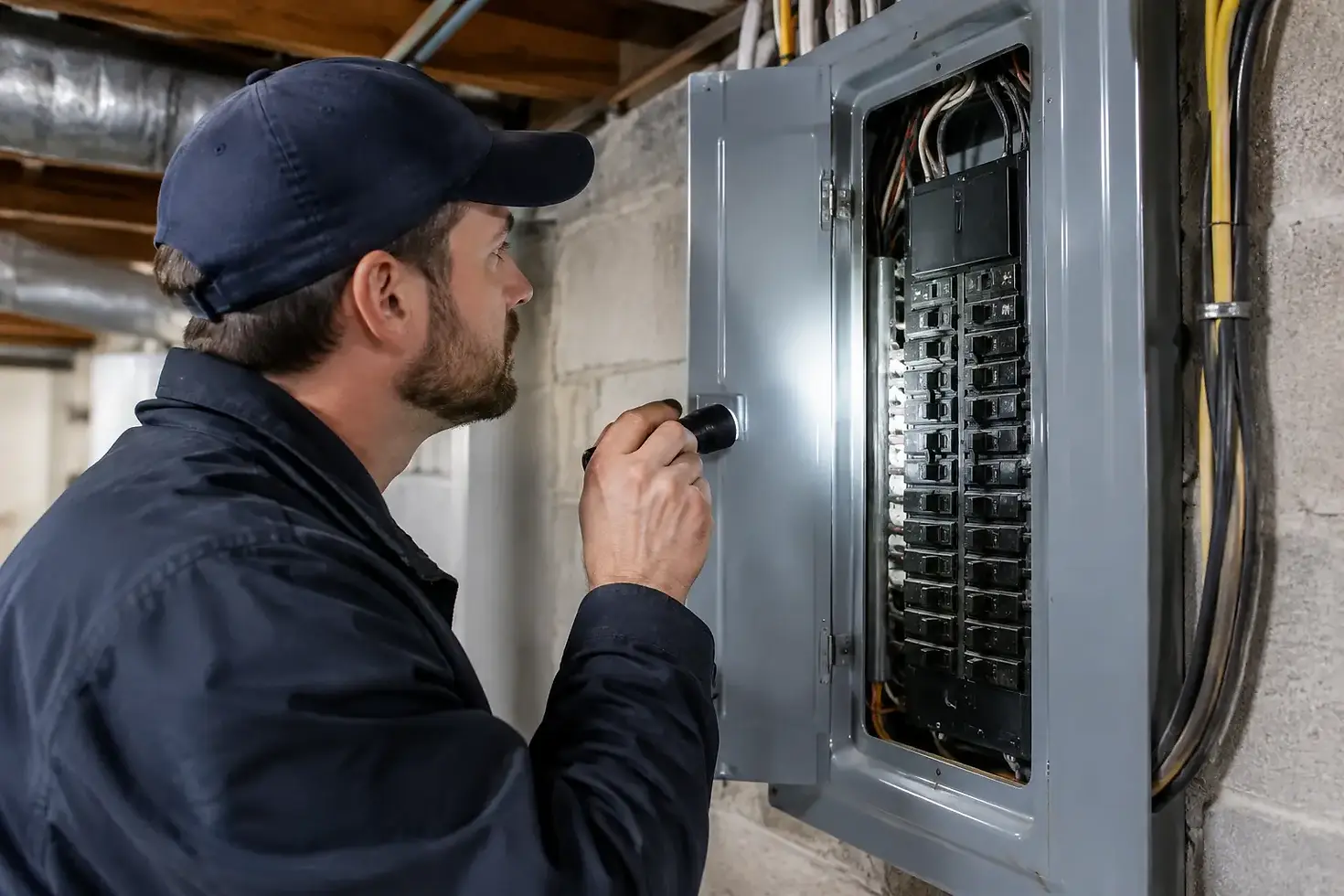
Inspectors also look for panel crowding, poorly labeled breakers, improper breaker types, signs of heat damage, and openings that expose the interior of the enclosure. A panel that is full is not necessarily defective, but it can limit options when a buyer plans to add equipment such as an electric range, EV charger, heat pump, or pool appliance. That is a planning issue worth understanding before closing, especially in a seasonal or shore property where upgrades may be scheduled after purchase.
Outdated or deteriorated service equipment
Some electrical panels, fuse boxes, and disconnects have known concerns related to their design, condition, or availability of suitable replacement parts. Others may remain in service but show corrosion, water intrusion, damaged covers, or evidence of past overheating.
An inspector should report the equipment observed and the visible condition without declaring a system safe simply because power is on during the inspection. Rust inside a panel, water marks around a service cable entry, or heat discoloration at breakers needs a qualified electrician's review. In homes close to the shore, humidity and salt air can make corrosion a more frequent concern than buyers expect.
Ungrounded or incorrectly wired receptacles
Older two-slot receptacles, three-slot outlets without a verified equipment ground, reversed polarity, and open neutral conditions are regularly identified in aging homes. Receptacle testing provides useful information, but it has limits. A plug-in tester cannot reveal every wiring condition, and a satisfactory test at one outlet does not verify the entire circuit.
Buyers should be careful not to assume that three-prong outlets confirm modern wiring throughout the home. In a house with layered renovations, newer-looking receptacles may have been installed on older circuits. The inspection report should identify observed concerns and recommend further evaluation when the condition cannot be fully determined through accessible testing.
Aluminum branch wiring and older wiring methods
Certain homes built or remodeled during particular periods may contain aluminum branch-circuit wiring or older wiring methods that deserve closer review. The concern is not based on appearance alone. Connections, compatible devices, termination methods, and signs of alteration all matter.
When these materials are observed, the right next step is usually a qualified electrician who can determine the extent of the wiring and whether corrective work is needed. This is particularly valuable before purchasing an older investment property, where isolated renovations may have concealed the transition between original and updated systems.
What an inspection can and cannot determine
A thorough home inspection includes accessible electrical panels, representative outlets, visible wiring, service equipment, installed lighting, and other readily accessible components. It cannot inspect wiring hidden behind finished walls, verify the capacity of every conductor, or predict a failure that leaves no visible evidence.
That limitation is why recommendations for further evaluation are not vague placeholders. They are used when a visible condition needs diagnosis, repair design, or testing beyond the scope of a general inspection. If the report identifies overheating, damaged conductors, moisture intrusion, or questionable alterations, an electrician should evaluate the condition before the end of the buyer's due-diligence period whenever possible.
For real estate professionals, clear language matters. A finding should tell the client what was observed, why it matters, and what type of professional should review it. It should not turn every older outlet into a crisis or minimize conditions that may involve shock or fire risk.
How buyers should use electrical findings
The best next step depends on the finding and the buyer's plans for the property. A limited correction may be handled as part of normal transaction negotiations. More significant concerns may justify a licensed electrician's evaluation before decisions are made about repairs, credits, insurance questions, or renovation scope.
Buyers should pay particular attention when the report shows several related conditions rather than one isolated item. For example, an older panel, crowded circuits, missing GFCI protection, and added basement wiring together provide a more meaningful picture than any one item alone. The same is true where moisture, corrosion, or damage is present around electrical equipment.
This is where detailed reporting and a prompt turnaround are useful. Next Day Property Inspections documents accessible findings so clients can have a focused conversation with the appropriate trade professional while the transaction is still moving. The purpose is not to create unnecessary alarm. It is to make sure buyers understand what they are purchasing and what further evaluation may be warranted.
Electrical concerns in shore and seasonal homes
South Jersey shore homes can present a different set of inspection considerations. A property that sits vacant for part of the year may have exterior outlets, service equipment, crawlspace wiring, or garage circuits exposed to humidity and changing temperatures without regular observation. Salt air can contribute to corrosion at exterior components, while moisture in low crawlspaces can affect wiring supports and metal enclosures.
These conditions do not mean every coastal home has an electrical problem. They do mean that visible corrosion, deteriorated covers, water entry, and loose wiring should be assessed carefully. Buyers purchasing a seasonal property should also consider whether the existing electrical service supports their intended use, particularly if future improvements are planned.
Electrical findings are most useful when they lead to a clear, timely decision. A careful inspection gives buyers a factual starting point: what was visible, what was tested, what needs correction, and where an electrician's expertise is needed before a small concern becomes an expensive surprise.